Contents
Scroll to:
 Muhammad Rasyid Ridha,
Yudi Yahya,
Nurul Hidayah,
Liestiana Indriati,
Juhairiyah Juhairiyah,
Lenie Marlinae,
Norsita Agustina,
Ahmad Budidarma
Muhammad Rasyid Ridha,
Yudi Yahya,
Nurul Hidayah,
Liestiana Indriati,
Juhairiyah Juhairiyah,
Lenie Marlinae,
Norsita Agustina,
Ahmad Budidarma https://doi.org/10.47470/0016-9900-2026-105-3-230-240
EDN: ejkgzn
Scroll to:
Introduction. Dengue fever remains endemic in tropical urban areas, but the sociodemographic determinants of larval control behaviours are poorly understood, particularly in delta cities like Banjarmasin, Indonesia. This study examined how education level and age influence Aedes aegypti larval control practices in household water containers. The objective was to assess the socio-demographic determinants of behaviors against larvae and their relationship with Aedes aegypti infection.
Materials and methods. A cross-sectional study of 236 households (March – November 2024) used structured interviews and direct inspections. Data were analyzed using Chi-square tests and binary logistic regression.
Results. Higher education predicted proper drainage (OR=2.44, 95% CI: 1.33–4.49, p=0.006), while younger age was associated with frequent inspections (OR=1.91, 95% CI: 1.12–3.26, p=0.017). Larvicide use reduced larval presence by 54% (OR=0.46, p=0.004).
Limitations. The cross-sectional design limits the ability to establish causal relationships.
Conclusion. Targeted interventions addressing education and age-specific barriers could enhance urban dengue fever control programs.
Compliance with ethical standards. Health Research Ethics Committee of the National Research and Innovation Agency, with approval number No: 076/KE.03/SK/04/2024
Contribution:
Ridha M.R. – concept of the study, carried out the experimental research in the field, summarized the research results, writing text;
Yahya Y. – made draft the research proposal, performed the experimental research in the field, and created the research results;
Hidayah N., Indriyati L., Juhairiyah J. – helped generate the research results, editing;
Agustina N. – assisted in field data collection and summarized the research results;
Budidarma A. – analyzed the research results and contributed to visualization.
All authors are responsible for the integrity of all parts of the manuscript and the approval of the final version of the article.
Acknowledgment. The author would like to thank the leadership and enumerator team from the Kalimantan Leading Polytechnic: PoLanKa, who assisted with the use of the laboratory and helped collect data in the field.
Conflict of interest. The authors declare no conflict of interest.
Funding. National Research and Innovation Agency (BRIN), Republic of Indonesia.
Received: August 13, 2025 / Accepted: December 2, 2025 / Published: April 17, 2026
Ridha M., Yahya Yu., Hidayah N., Indriati L., Juhairiyah J., Marlinae L., Agustina N., Budidarma A. Sociodemographic determinants of larval control behaviors and their association with Aedes aegypti infestation in Banjarmasin, Indonesia. Hygiene and Sanitation. 2026;105(3):230-240. https://doi.org/10.47470/0016-9900-2026-105-3-230-240. EDN: ejkgzn
Introduction
Dengue hemorrhagic fever (DHF), particularly in tropical and subtropical regions such as Indonesia, remains a major global public health threat. The World Health Organization (WHO) estimates approximately 390 million dengue infections annually, with around 96 million clinical DHF cases and periodic outbreaks in Indonesia. With almost 120,000 cases reported in 2022 and a mortality rate of 0.96%, Indonesia continues to experience fluctuating DHF incidence, remaining above the WHO target case fatality rate (CFR) of less than 1% [1]. In Banjarmasin City, the incidence rate (IR) increased from 5.79 per 100,000 population in 2019 to 12.10 in 2023, and the CFR rose from 2.4 in 2019 to 6.8 in 2023, indicating a persistent public health challenge. The WHO has set a global target to reduce DHF incidence by 25% and CFR by 50% by 2030. Consistent with this, the Indonesian Ministry of Health aims to reduce the DHF incidence in Banjarmasin to fewer than 10 cases per 100,000 population.
Banjarmasin’s unique geographical characteristics as a delta city with swamps, numerous rivers, and a humid tropical climate create an ideal environment for the proliferation of Aedes aegypti, the primary vector of DHF [2]. Abundant larval habitats are generated by high rainfall, dense population, urbanization, and household water storage practices, including bathtubs, drums, buckets, and flower vases. These conditions make Banjarmasin an endemic DHF area with consistently reported cases, often experiencing significant increases that require prompt response [3].
Vector control at the larval stage is recognized in Integrated Vector Management (IVM) as a more effective, efficient, sustainable, and environmentally friendly strategy than adult mosquito control methods such as fogging [4,5]. Targeted interventions can be implemented because larval populations are concentrated in specific habitats, particularly water storage containers. Larval control relies on pemberantasan sarang nyamuk (PSN; mosquito breeding site eradication), involving regular inspection (searching for and identifying potential breeding sites) and cleaning (emptying water and brushing container walls to remove desiccation-resistant Aedes eggs) at least once a week, along with covering water storage containers and recycling or disposing of unused containers. National programs such as “One House, One Larvae Monitor” (Gerakan 1 Rumah 1 Jumantik; G1R1J) prioritize these activities. However, the technical success of PSN entirely depends on consistent and routine implementation [6]. Studies have shown significant gaps between knowledge, attitudes, and actual practices (KAP), especially in thoroughly inspecting all types of containers (including hidden sites such as roof gutters or plant saucers) and proper cleaning [7, 8]. These behaviors determine the success or failure of community-based larval control.
Complex interactions of internal and external factors influence inspection and cleaning behaviors. Theories such as the Health Belief Model (HBM) and Theory of Planned Behavior (TPB) explain how intentions and behaviors are shaped by perceived susceptibility and severity of DHF, perceived benefits and barriers to PSN, subjective norms (social influence), and perceived behavioral control [9,10].In Banjarmasin, these dynamics are further complicated by local conditions. Limited access to clean water in certain areas fosters a culture of storing rainwater in large drums, a necessity due to water scarcity and availability risks [11]. High-density settlements along riverbanks often generate numerous new breeding sites. Common behavioral barriers include complacency when no cases are reported, reliance on others or fogging (free-rider problem), the complexity and time required for proper PSN (particularly scrubbing large containers), and a lack of social support or supervision from Jumantik cadres [12,13]. Additionally, health system variables, such as sustainability and quality of cadre supervision and the presence of waste or unused items that can serve as passive breeding sites, influence behavior consistency [14].
Previous studies have often measured mosquito breeding site eradication (pemberantasan sarang nyamuk, PSN) frequency in general terms (“ever/never”) without examining specific larval control behaviors, such as the thoroughness of water storage container inspection, frequency of cleaning, or methods used to eliminate Aedes aegypti eggs. These behavioral nuances are critical for effective larval control but remain understudied, particularly in urban dengue-endemic areas like Banjarmasin, Indonesia. Additionally, while sociodemographic factors – such as age, gender, education level, and occupation — are known to influence health behaviors, limited research has comprehensively analyzed their impact on Aedes aegypti larval control practices. Understanding these determinants is essential for designing targeted interventions that address gaps in community participation and improve the sustainability of vector control programs.
This study examines the sociodemographic determinants of larval control behaviors-including inspection frequency, cleaning methods, and larvicide use-and assesses their association with Aedes aegypti infestation in household water storage containers. By focusing on Banjarmasin, a high risk urban setting, the findings aim to provide context-specific insights for refining local vector control strategies, strengthening community based programs, and reducing dengue fever transmission. The results will contribute to global efforts to combat Vector borne diseases by highlighting the role of behavioral and sociodemographic factors in larval control effectiveness.
Objective To assess the socio-demographic determinants of larval control behavior and their association with Aedes aegypti infection
Materials and methods
Research Design and Location
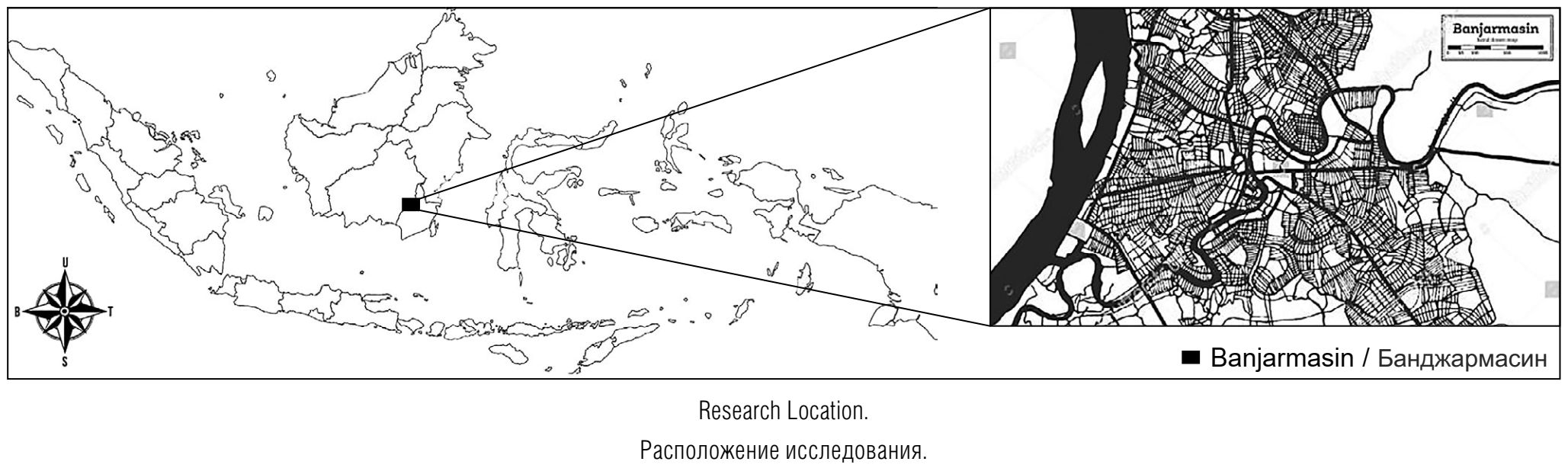
This study employed a quantitative research design with an observational analytic approach using a cross-sectional study design. The research was conducted in Banjarmasin City, South Kalimantan, a region known to be endemic for dengue hemorrhagic fever (DHF). Banjarmasin, often referred to as the “City of a Thousand Rivers,” serves as the economic center of South Kalimantan. Geographically, it is located between 3° 16’ 46’’ to 3° 22’ 54’’ South Latitude and 114° 31’ 40’’ to 114° 39’ 55’’ East Longitude (Figure). The area lies at an average elevation of 0.16 meters below sea level, with relatively flat and swampy terrain. During high tide, most parts of the city are inundated with water. The study location was selected purposively based on the number of DHF cases and the presence of water storage containers that could potentially serve as breeding sites for mosquito larvae. Households were then selected using simple random sampling. The study was conducted from March to November 2024.
Population and Data Collection Techniques. The study population consisted of all household heads or family members responsible for household cleanliness in Banjarmasin City. Sampling was performed using purposive sampling with the following inclusion criteria: Residing in the study location for at least 6 months, Willing to participate by signing an informed consent form, and Aged ≥16 years and capable of understanding the questionnaire.
The sample size for this study was 236 respondents, deemed sufficient to represent the population for bivariate and multivariate analyses. The variables collected included: Behavior of inspecting water storage containers, Behavior of cleaning water storage containers, Use of larvicides, Cleaning method (with or without scrubbing the container walls), Presence of mosquito larvae (yes or no), The research instrument used was a structured questionnaire that had been tested for validity and reliability. The questionnaire included sections on respondent identity, sociodemographic characteristics, and questions related to larval control behaviors, such as the frequency of inspecting and cleaning water storage containers, as well as larvicide use. Data collection was conducted by trained enumerators who underwent prior training to ensure uniform understanding. Direct interviews were carried out with respondents using the prepared questionnaire. Data on the presence of larvae were collected by directly inspecting water storage containers and recording whether larvae were found.
Data Analysis. Data analysis was conducted in stages using IBM SPSS Statistics version 27. Univariate analysis was used to describe respondent characteristics and larval control behaviors in the form of frequency distributions and percentages. This step aimed to provide an overview of respondent profiles and their behavioral tendencies regarding the inspection and cleaning of water storage containers.
Bivariate analysis was performed to examine the relationship between respondent characteristics and variables related to larval control behaviors. The Chi-Square (χ²) test was used for this analysis. To identify dominant factors influencing larval control behaviors and the presence of larvae in household environments, multivariate analysis was conducted using binary logistic regression. Variables with a p-value <0.25 from the bivariate analysis were included in the regression model using a stepwise method. The logistic regression model’s goodness-of-fit was assessed using the Hosmer and Lemeshow test, while the strength of the association between independent and dependent variables was expressed as an Odds Ratio (OR) with a 95% Confidence Interval (CI). This approach helped identify key factors contributing to community behavior in larval control and the risk of larvae presence in household water storage containers.
Results
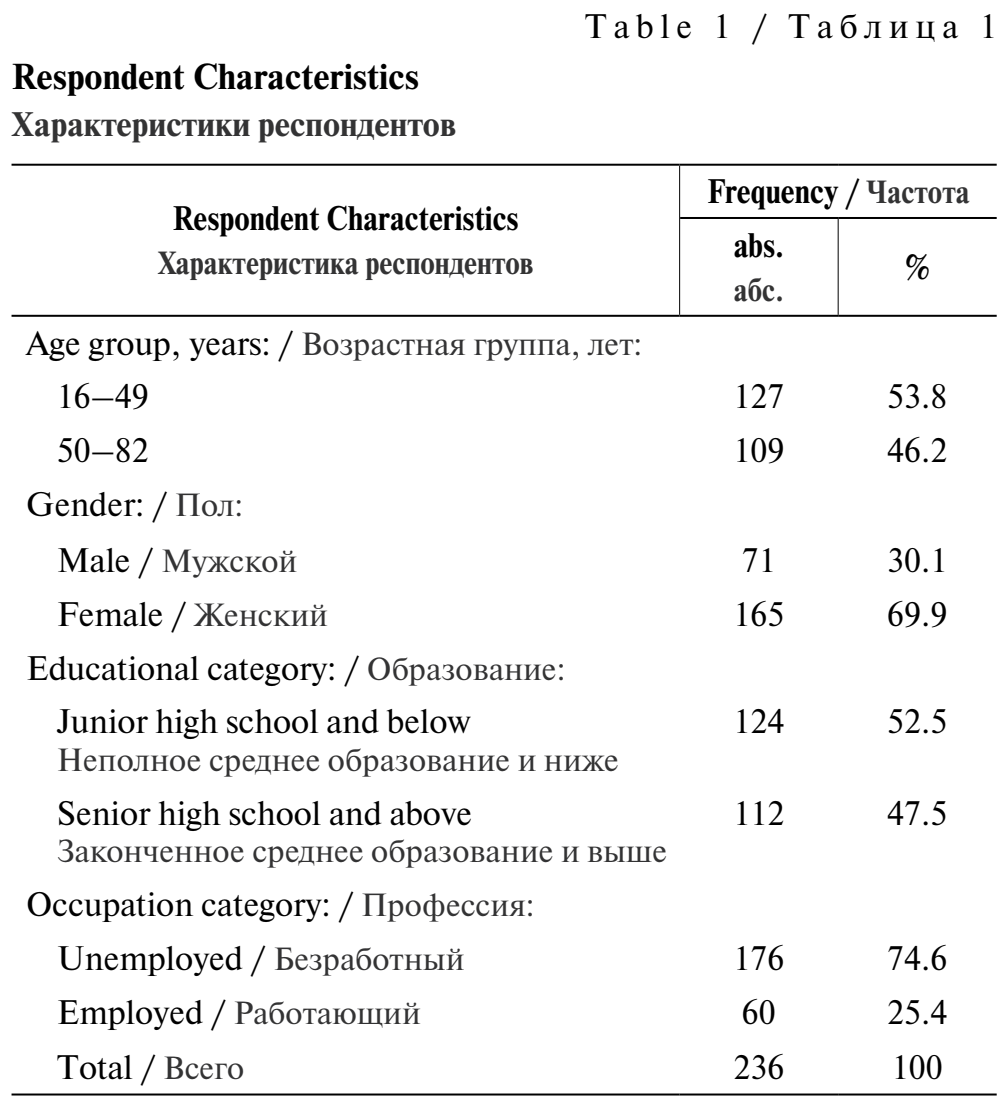
Respondent Characteristics. A total of 236 respondents participated in the study. The majority were aged 16–49 years (n = 127; 53.8%), female (n = 165; 69.9%), had a junior high school education or lower (n = 124; 52.5%), and were unemployed (n = 176; 74.6%). This indicates that most respondents were women of productive age with relatively low educational attainment (Table 1).
Larval Control Behaviors. Table 2 shows that the majority of respondents (n = 144; 61%) inspected water storage containers (WSCs) once a week. However, 18.6% (n = 44) inspected them less frequently than once a month, indicating a high risk of larval presence. More than half of the respondents (n = 124; 52.5%) did not use larvicides. Only 10.2% (n = 24) applied larvicides weekly, reflecting low adoption of this simple vector control method.
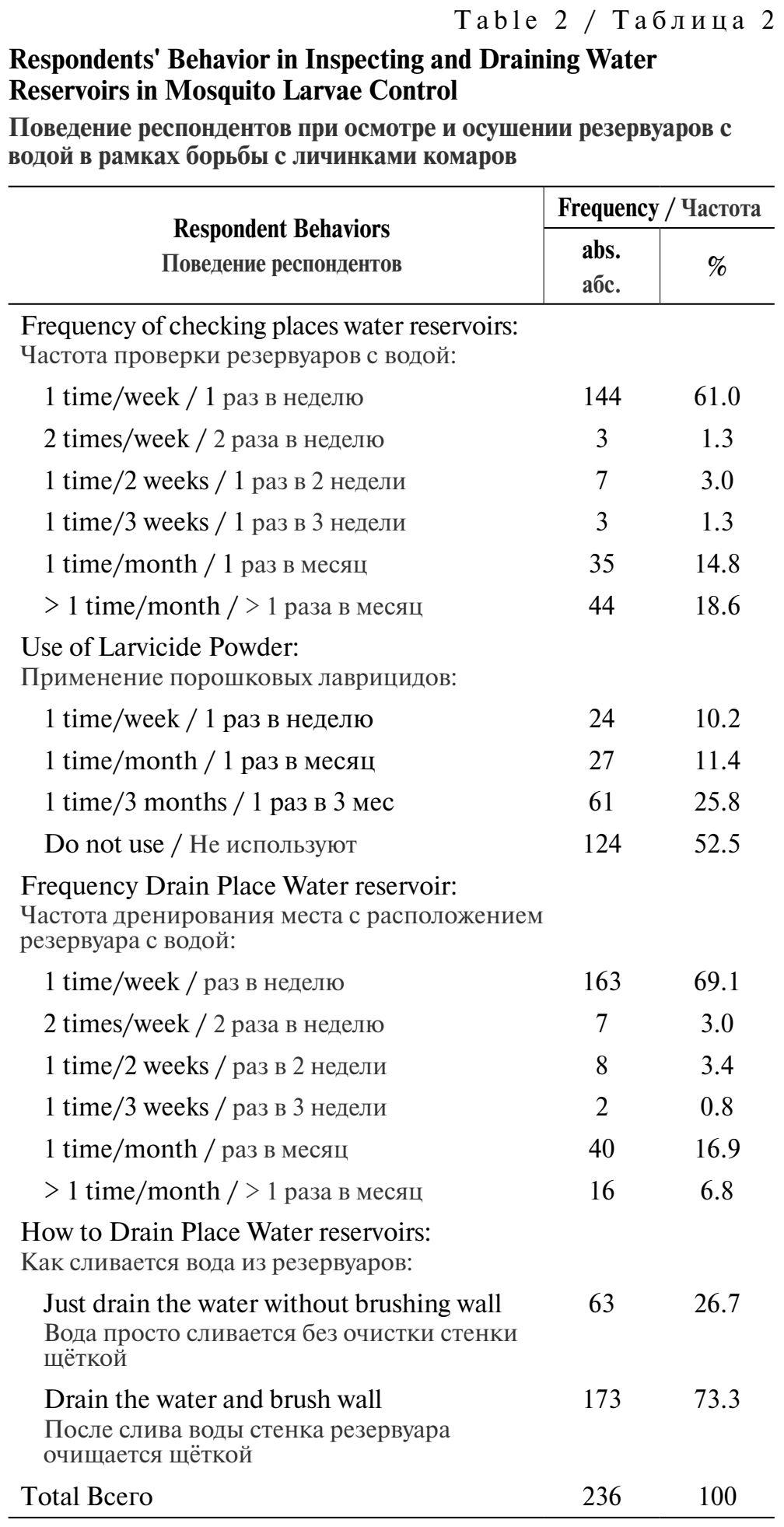
Most respondents (n = 169; 69.1%) cleaned WSCs once a week, but 6.8% (n = 16) did so less frequently than once a month. Regarding cleaning methods, 73.3% (n = 173) scrubbed the container walls while draining, an effective technique for removing mosquito eggs.
Association Between Respondent Characteristics and Larval Control Behaviors. Table 3 presents the relationship between respondent characteristics and the frequency of WSC inspection across six time categories. Statistical analysis revealed that among the four tested variables — age, sex, education, and employment — only education level showed a significant association (p = 0.041). Respondents with a senior high school education or higher were more likely to inspect WSCs regularly than those with junior high school education or lower.
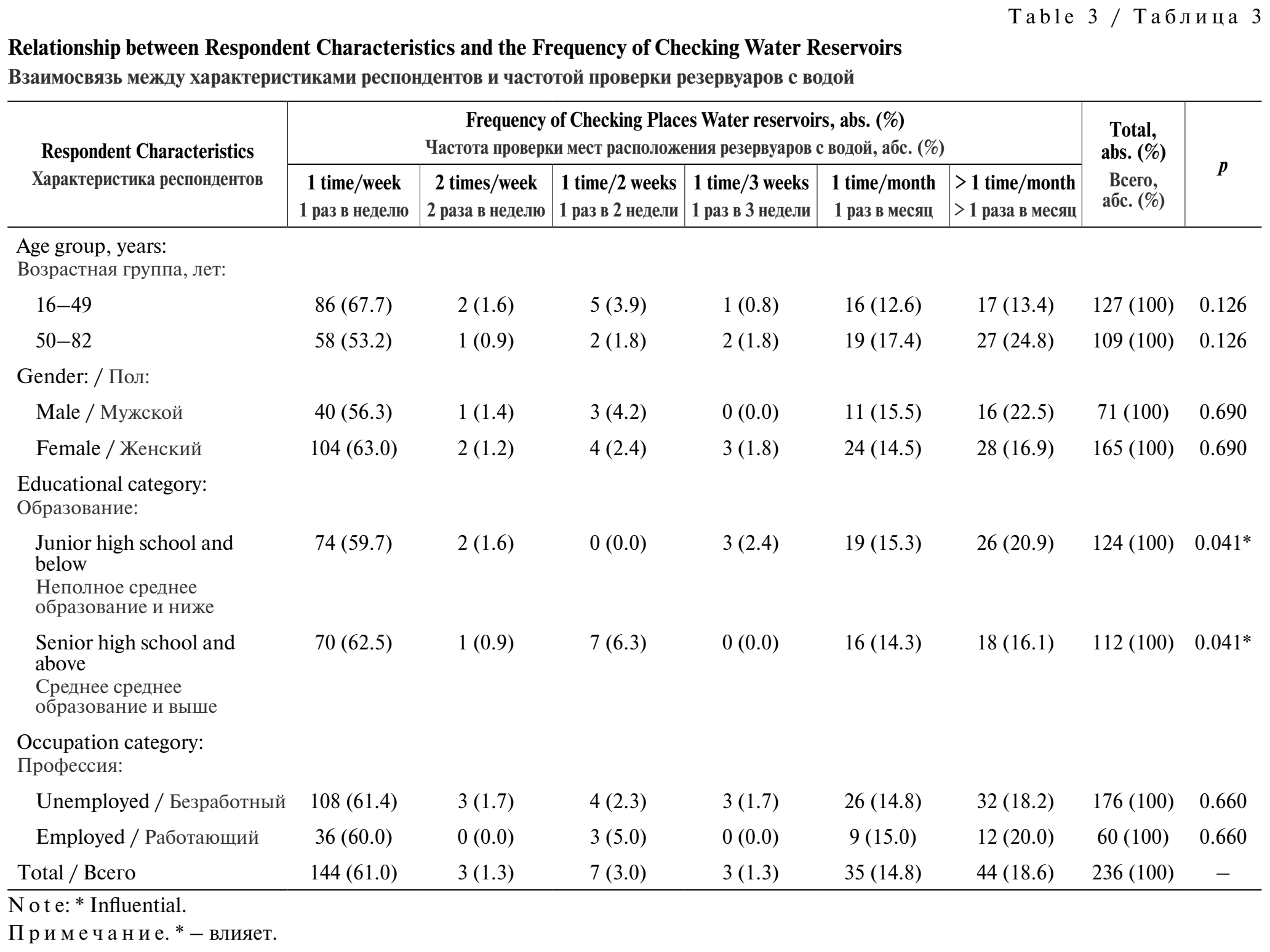
Although respondents aged 16–49 years inspected WSCs weekly more often (n = 86; 67.7%) than those aged ≥50 years (n = 58; 53.2%), this difference was not statistically significant (p = 0.126). Similarly, no significant associations were found for sex (p = 0.690) or employment status (p = 0.660).
Table 4 displays the relationship between respondent characteristics and WSC inspection frequency, dichotomized into ≤1 time per week and >1 time per week. Bivariate analysis showed a significant association with age (p = 0.017), where respondents aged 16–49 years inspected WSCs more frequently (n = 88; 69.3%) than those aged 50–82 years (n = 59; 54.1%). Multivariate logistic regression confirmed age as a significant influencing factor (p = 0.017; OR = 1.912; 95% CI: 1.122–3.258). Education, sex, and employment were not significant in the regression model.
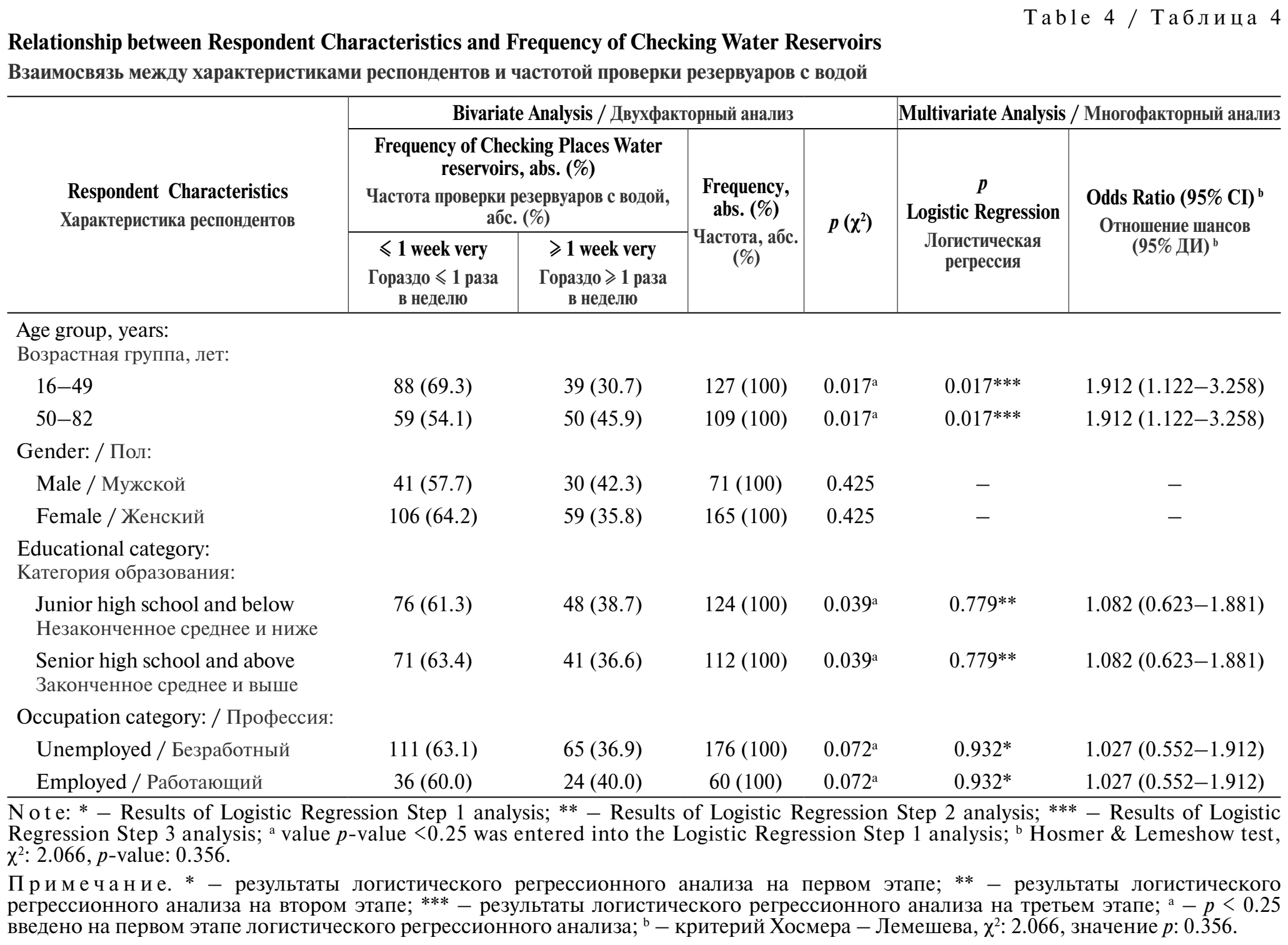
Table 5 examines the association between respondent characteristics and larvicide use across four frequency categories (weekly, monthly, every 3 months, and never). Only age showed a statistically significant relationship (p = 0.028), with respondents aged 50–82 years using larvicides more often (n = 62; 56.9%) than those aged 16–49 years (n = 50; 39.4%). Sex, education, and employment were not significantly associated (p = 0.304, 0.772, and 0.147, respectively).
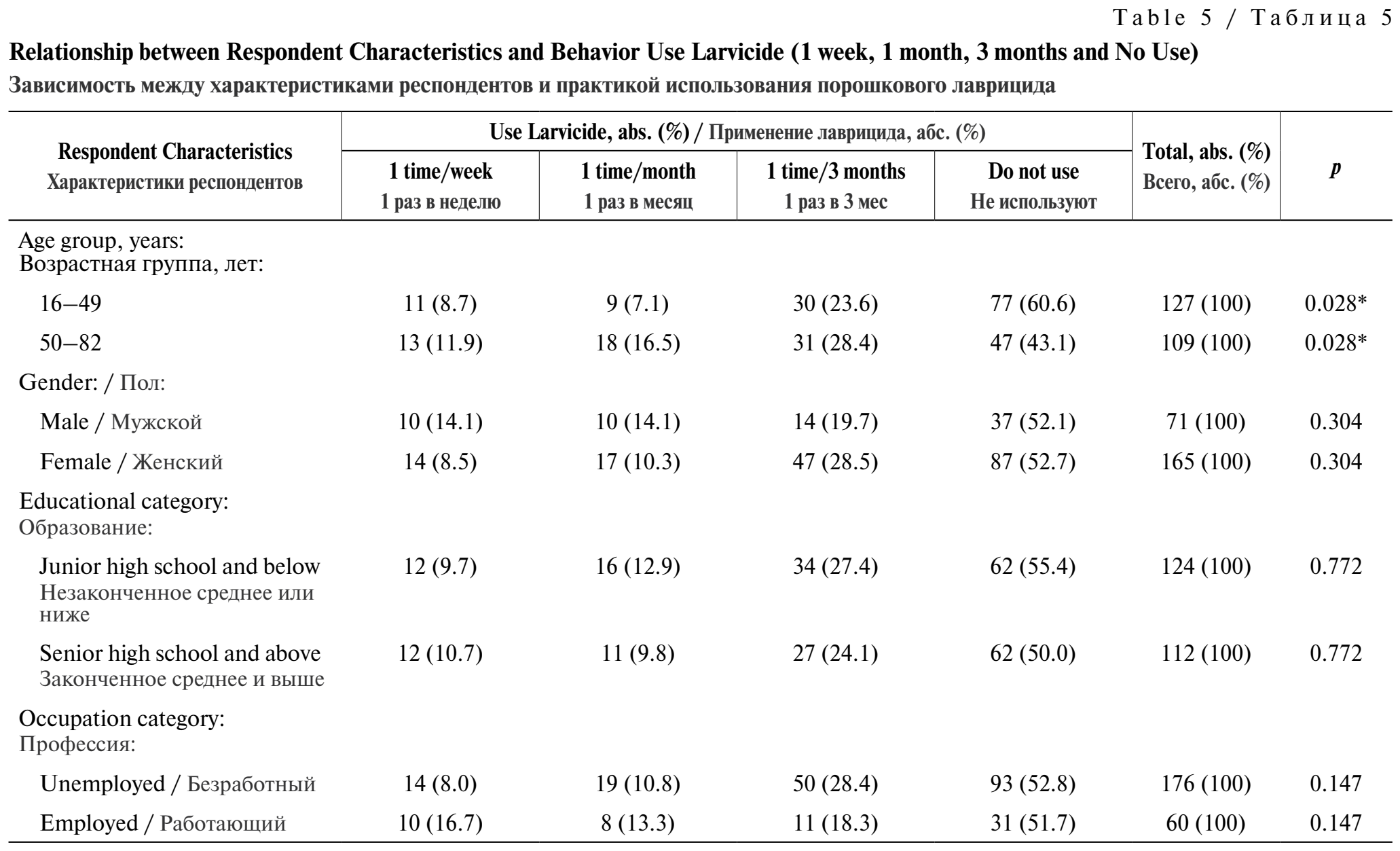
Table 6 presents larvicide use dichotomized into “used” and “not used.” Bivariate analysis confirmed a significant association with age (p = 0.011), with older respondents more likely to use larvicides. Multivariate analysis reinforced this finding (p = 0.007; OR = 0.481; 95% CI: 0.283–0.818), indicating that younger individuals had lower odds of larvicide use.
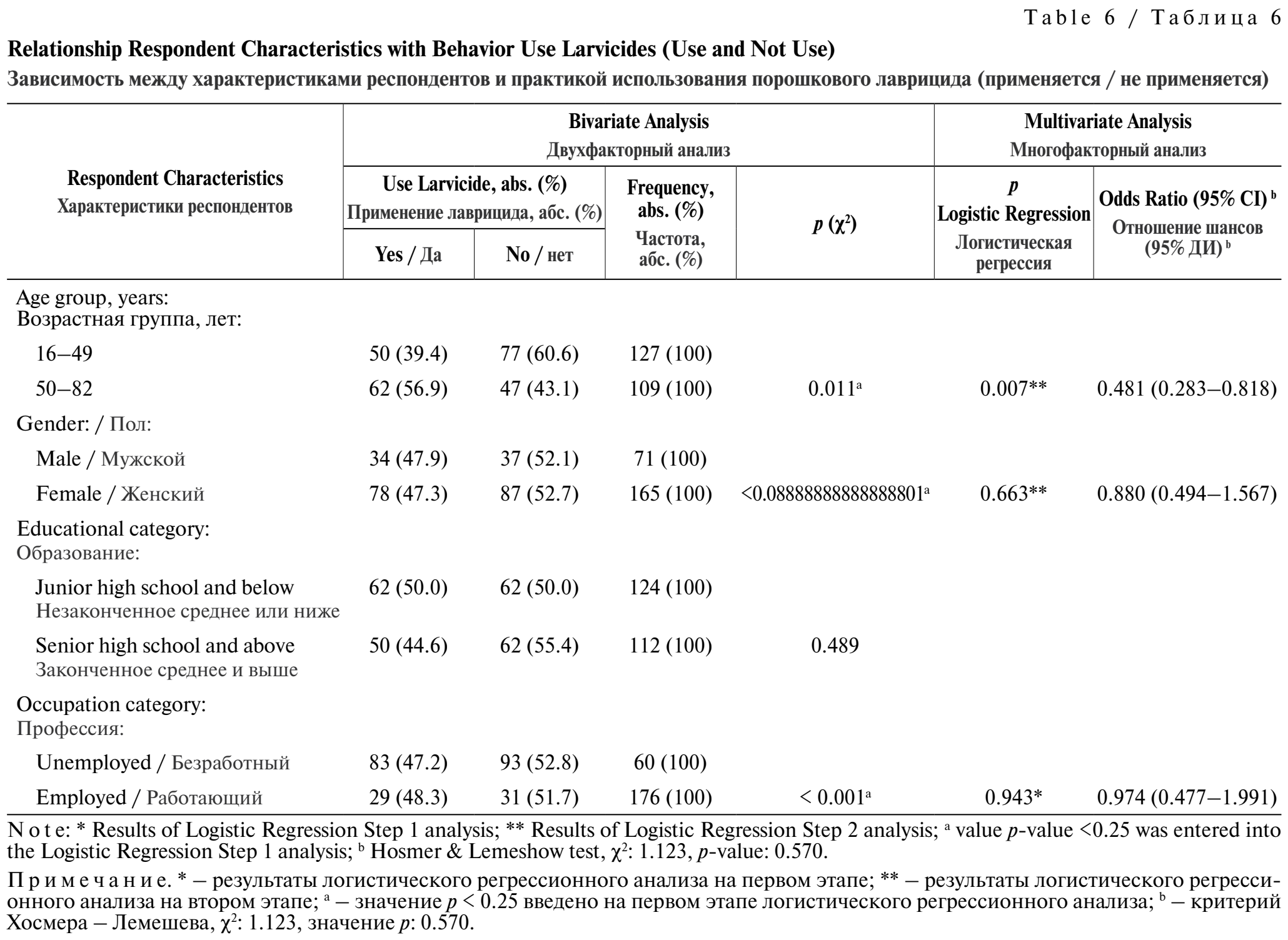
Table 7 analyzes the relationship between respondent characteristics and WSC cleaning frequency across six categories. Only education level was significantly associated (p = 0.043), with higher-educated respondents cleaning WSCs more regularly. Age, sex, and employment were not significant (p = 0.153, 0.326, and 0.263, respectively).
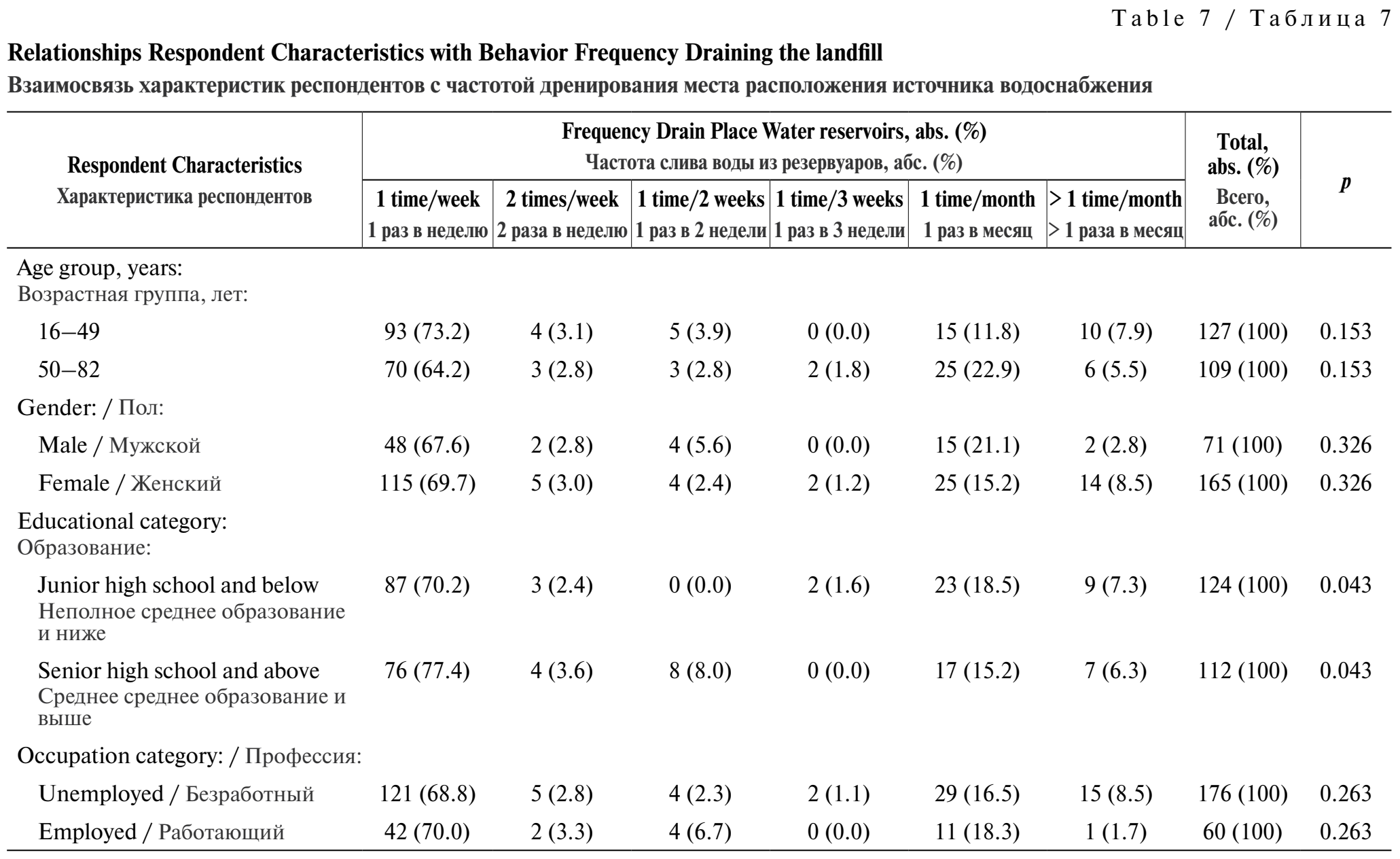
Table 8 dichotomizes cleaning frequency into ≤1 time per week and >1 time per week. Although age, sex, education, and employment had p-values <0.25 in bivariate analysis, only age approached significance in multivariate regression (p = 0.089; OR = 1.673), suggesting a trend toward younger respondents cleaning WSCs more frequently.
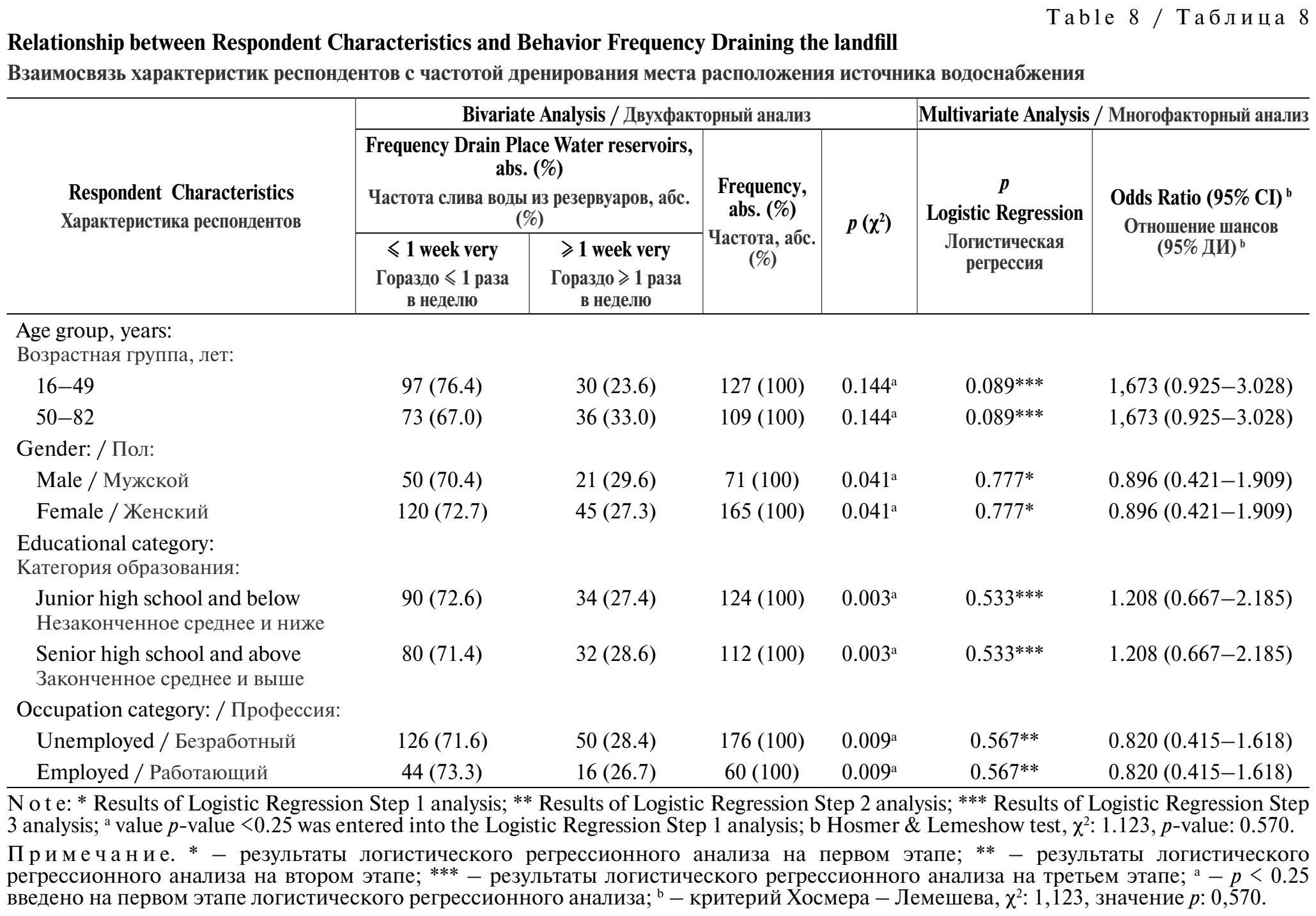
Table 9 examines the association between respondent characteristics and cleaning method (draining only vs. draining with scrubbing). Education was the only significant factor (p = 0.006), remaining significant in multivariate analysis (p = 0.004; OR = 2.442; 95% CI: 1.328–4.489). Respondents with senior high school education or higher were twice as likely to scrub WSCs during cleaning.
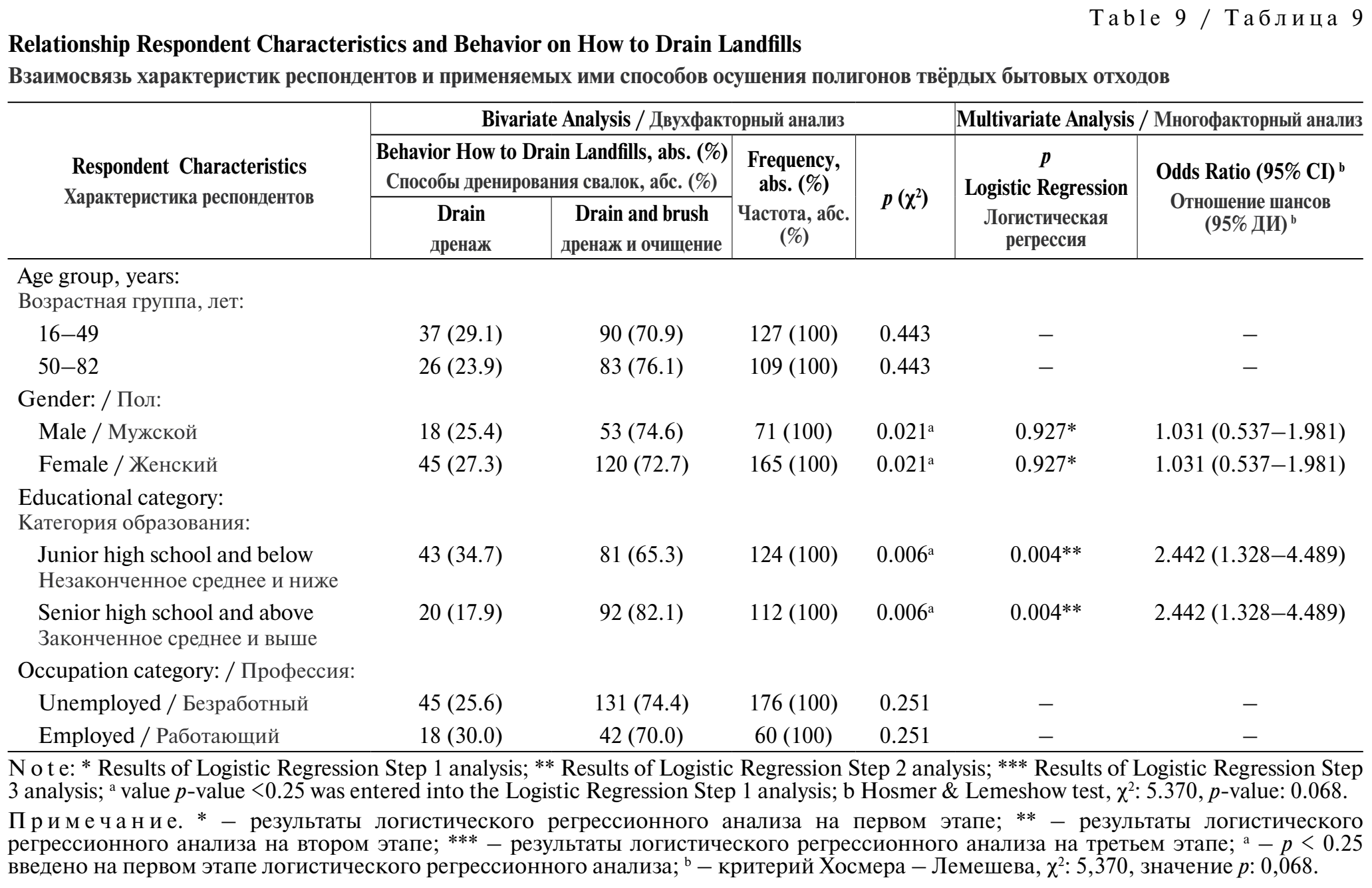
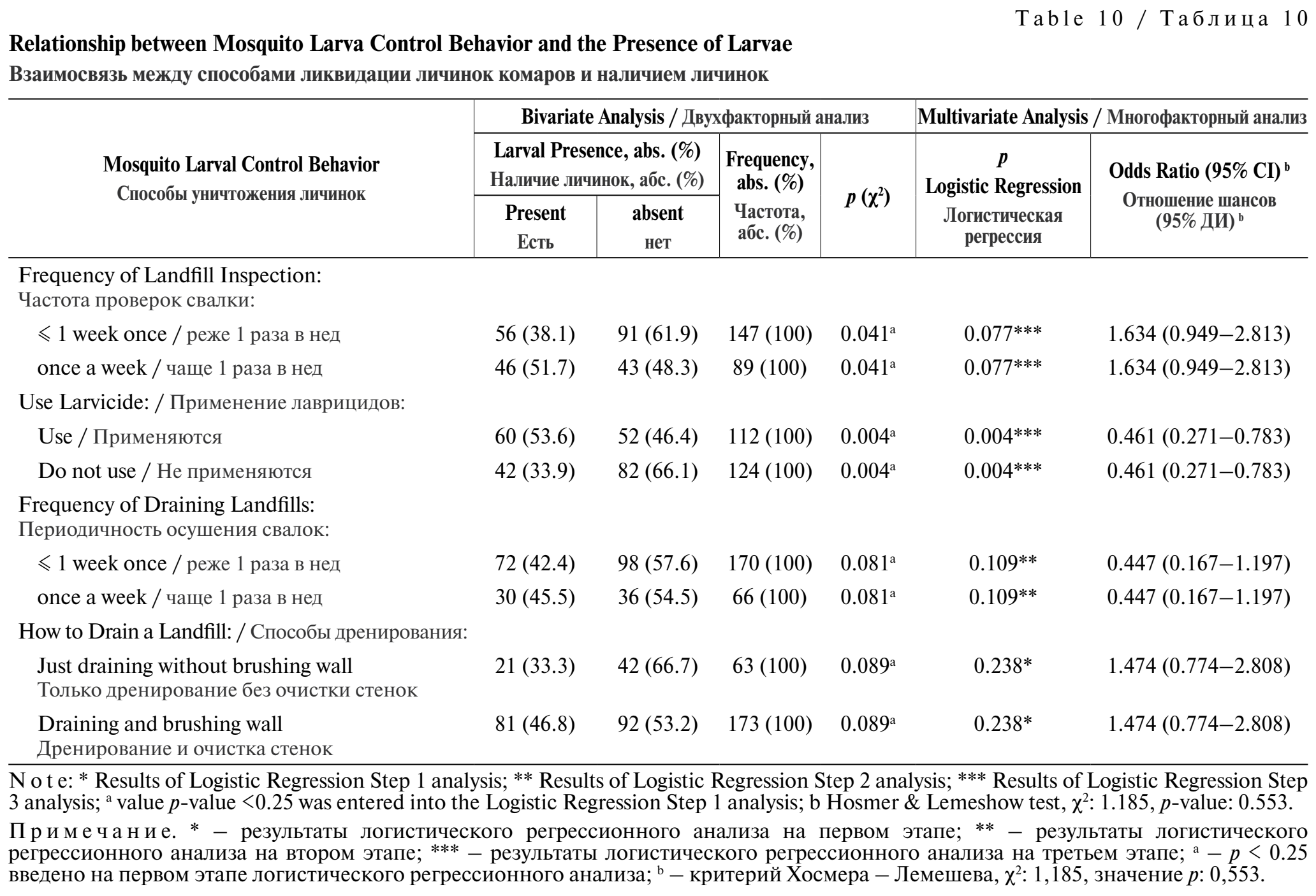
Table 10 evaluates the relationship between larval control behaviors and larval presence in households. Larvicide use showed the strongest and most significant association (p = 0.004; OR = 0.461), indicating lower odds of larval presence with larvicide application. Weekly WSC inspection was significant in bivariate analysis (p = 0.041) and marginally significant in regression (p = 0.077). Cleaning frequency and method were not significantly associated, though protective trends were observed.
Discussion
Larval control behavior represents a fundamental component in vector management and dengue fever prevention efforts. Various national programs worldwide have incorporated larval control as a central element of their dengue fever control strategies. In Guatemala, social and behavioral change campaigns emphasize weekly cleaning and proper covering of water storage containers [15].The Philippines implements the 4S Campaign, which includes searching for and eliminating breeding sites, using personal protective measures, seeking early medical consultation for persistent fever, and avoiding indiscriminate fogging [16]. In Indonesia, the program initially known as 3M Plus has evolved into 4M Plus, incorporating physical larval control methods: draining and scrubbing water tanks, covering household water containers, burying discarded items that may collect water, and monitoring for larval presence – supplemented by additional measures such as larvicide application, insecticide use, and biological control methods [17]
The comprehensive implementation of 4M Plus in Bali Province, known as the SIGAP strategy, has successfully reduced dengue fever cases through regional policies that promote awareness of 4M Plus principles, integrated dengue fever information services, use of natural insecticides and larvicides, vector surveillance reporting, and weekly monitoring Adnyana & Surya, 2023). However, larval control efforts, particularly regular monitoring of water storage containers, face significant challenges due to the need for sustained behavioral change and broad community participation. Given the global increase in dengue fever incidence, some researchers recommend focusing control efforts on the most productive breeding sites rather than all water-holding containers, potentially offering a more time- and cost-effective strategy [18]. In the Indonesian context, bathroom water tanks represent particularly high-risk breeding sites due to common practices of maintaining standing water for extended periods and inadequate cleaning methods that often omit scrubbing the container surfaces [19].
The current study found persistently high risks of larval presence in water storage containers, with many respondents inspecting containers less frequently than the recommended weekly interval – crucial for interrupting the mosquito life cycle [17,20]. While knowledge about proper cleaning methods appears adequate, as evidenced by widespread scrubbing practices, adoption of larvicides remains low (only 10.2% weekly users), indicating poor uptake of this simple vector control technology. Chemical control methods, particularly temephos-based larvicides (“Abate”), remain important for suppressing larval populations and reducing disease transmission [17].
The study revealed significant associations between demographic factors and larval control behaviors. Higher education levels correlated with better container inspection practices, while adults aged 16–49 demonstrated more frequent weekly inspections compared to those ≥50 years old – findings that contrast with some previous studies [21, 22]. Older adults (50–82 years) showed greater larvicide use (56.9%), likely due to physical limitations that make this method more practical than manual cleaning (39.4% in younger adults). However, larvicide use requires careful consideration of water usage purposes and potential insecticide resistance, necessitating rotation strategies like those implemented in Rio de Janeiro combining chemical and biological (Bacillus thuringiensis) larvicides [18]. Resistance issues, such as temephos-resistant strains identified in Laos, highlight the need for alternative agents like Bti and diflubenzuron [23]. Local solutions like Bali’s Legiayu incense, derived from natural materials, demonstrate promising larvicidal effects against Aedes aegypti with no observed mammalian toxicity [24].
Comprehensive larval control requires integrated approaches combining multiple methods. Monte Verde’s success in eliminating Aedes aegypti production through biological control (copepods, turtles, tilapia), physical methods (container scrubbing/covering), and limited but strategic use of environmentally-friendly larvicides demonstrates the effectiveness of community-led, 100% coverage monitoring systems [25]. Sustainable control depends on continuous health promotion, local leadership engagement, and interventions adapted to community contexts while addressing social barriers [26].
Conclusion
This study reveals critical insights into dengue fever vector control in Banjarmasin, Indonesia, demonstrating that sociodemographic factors significantly influence larval control behaviors. While 61% of respondents inspected water containers weekly and 69.1% practiced weekly drainage, only 10.2% used larvicides regularly. Higher education levels were strongly associated with proper drainage methods (OR=2.442, p=0.006), while younger individuals (16–49 years) conducted more frequent inspections (OR=1.912, p=0.017). Crucially, larvicide use showed a protective effect against larval presence (OR=0.461, p=0.004), underscoring its importance despite low adoption rates (52.5% non-users). These findings highlight the need for targeted interventions: education campaigns to improve proper container management, age-specific approaches promoting larvicides among older adults and regular inspections among youth, and community-based programs to increase larvicide accessibility and acceptance. The study emphasizes that integrating these sociodemographic considerations into dengue fever control strategies could significantly enhance their effectiveness in urban endemic areas, potentially reducing Aedes aegypti infestation rates and dengue fever transmission. Future efforts should focus on overcoming behavioral barriers and sustaining community engagement in vector control practices.
1. Yang X., Quam M.B.M., Zhang T., Sang S. Global burden for dengue and the evolving pattern in the past 30 years. J. Travel Med. 2021; 28(8): taab146. https://doi.org/10.1093/jtm/taab146
2. Ridha M.R., Yudhastuti R., Garjito T.A., Hidajat M.C., Juhairiyah J., Indriati L., et al. Incidence trend and climate influence on Dengue fever in Banjarmasin, Indonesia: a path analysis approach. J. Health Sci. Med. Res. 2026; 44(2): 20251231. https://doi.org/10.31584/jhsmr.20251231
3. Banjarmasin City Health Office. Report Of Dengue Fever In Banjarmasin City. Banjarmasin: P2P field; 2024. (in Indonesian)
4. Mahmud M.A.F., Abdul Mutalip M.H., Lodz N.A., Muhammad E.N., Yoep N., Hasim M.H., et al. The application of environmental management methods in combating dengue: a systematic review. Int. J. Environ. Health Res. 2023; 33(11): 1148–67. https://doi.org/10.1080/09603123.2022.2076815
5. Shafie A.A., Moreira E.D. Jr, Vidal G., Di Pasquale A., Green A., Tai R., et al. Sustainable dengue prevention and management: Integrating dengue vaccination strategies with population perspectives. Vaccines (Basel). 2024; 12(2): 184. https://doi.org/10.3390/vaccines12020184
6. Bowman L.R., Runge-Ranzinger S., McCall P.J. Assessing the relationship between vector indices and dengue transmission: a systematic review of the evidence. PLoS Negl. Trop. Dis. 2014; 8(5): e2848. https://doi.org/10.1371/journal.pntd.0002848
7. Kosasih C.E., Lukman M., Solehati T., Mediani H.S. Effect of dengue hemorrhagic fever health education on knowledge and attitudes, in elementary school children in West Java, Indonesia. Linguist. Cult. Rev. 2021; 5(S1): 191–200. https://doi.org/10.21744/lingcure.v5ns1.1349
8. Ridha M.R., Aisyah S., Triana Y., Priono M., Jumriadi J. Improving community knowledge and behavior in the one house one Jumantik program in Dengue control. J. Kesehat. Masy. 2023; 18(3): 423–30.
9. Yari A., Mohseni S., Ezati Rad R., Hosseini Z., Shahabi N., Aghamolaei T. The effectiveness of educational intervention in promoting preventive behaviors of Dengue fever in Southern Iran: applying Health Belief Model (HBM). Health Sci. Rep. 2024; 7(12): e70198. https://doi.org/10.1002/hsr2.70198
10. Vande Velde F., Overgaard H.J., Bastien S. An integrated human behavioral model for mosquito-borne disease control: A scoping review of behavior change theories used to identify key behavioral determinants. Heliyon. 2024; 10(4): e26488. https://doi.org/10.1016/j.heliyon.2024.e26488
11. Kramer I.M., Pfeiffer M., Steffens O., Schneider F., Gerger V., Phuyal P., et al. The ecophysiological plasticity of Aedes aegypti and Aedes albopictus concerning overwintering in cooler ecoregions is driven by local climate and acclimation capacity. Sci. Total Environ. 2021; 778: 146128. https://doi.org/10.1016/j.scitotenv.2021.146128
12. Prayitno A., Sitaresmi M.N., Alisjahbana B., Halim C., Wardati F., Yudiansyach M., et al. Addressing knowledge, attitude and practice gaps for effective dengue management strategies in Indonesia. Front. Public Health. 2025; 13: 1540121. https://doi.org/10.3389/fpubh.2025.1540121
13. Ridha M.R., Sulasmi S. Larval survey of the dengue-endemic area in Samarinda: guide to determine risk containers. Int. J. Public Health Sci. 2022; 11(4): 1176–83. https://doi.org/10.11591/ijphs.v11i4.21727
14. Abdullah M.S., Islam M.J., Hasan M.M., Sarkar D., Rana M.S., Das S.S., et al. Impact of waste management on infectious disease control: evaluating strategies to mitigate Dengue transmission and mosquito breeding sites – a systematic review. J. Angiother. 2024; 8(8): 1–12. https://doi.org/10.25163/angiotherapy.889850
15. Pinchoff J., Silva M., Spielman K., Hutchinson P. Use of effective lids reduces presence of mosquito larvae in household water storage containers in urban and peri‑urban Zika risk areas of Guatemala, Honduras, and El Salvador. Parasit. Vectors. 2021; 14(1): 167. https://doi.org/10.1186/s13071-021-04668-8
16. Datinguinoo M.J.R., Fumey-Nassah N.O., Gonzales M.A.S., Guiao S.J.M., Magnaye B.P., Man R.N. Dengue elimination and control program of one city in the Philippines. Asia Pac. J. Educ. Arts Sci. 2018; 5(4): 60–71.
17. Bahri S., Luqman A., Jaya G., Hasibuan N.H., Amalia S.V., Inayah I. Socialization of Dengue fever (DBD) prevention program through the use of abate in Gunung Meriah village. In: Proceeding of 1st International Conference on Advanced Innovation STEAMR, Social, and Humanities. Volume 1. ICAISSH; 2024: 192–6.
18. Knoblauch S., Mukaratirwa R.T., Pimenta P.F.P., Rocha A.A.D.A., Yin M.S., Randhawa S., et al. Articles Urban Aedes aegypti suitability indicators: a study in Rio de Janeiro, Brazil. Lancet Planet. Health. 2025; 9(4): e264–73. https://doi.org/10.1016/S2542-5196(25)00049-X
19. Saparina L.T., Noviati N. Relationship of water and water reservoirs with the presence of Aedes aegypti larvae in Puuwatu public health center working area Kendari city. Indones. J. Health Sci. Res. Dev. 2020; 2(1): 33–8. https://doi.org/10.36566/ijhsrd/Vol2.Iss1/24
20. Putra T.A., Ellina A.D. Factors associated with the incidence of Dengue Hemorrhagic Fever (DHF) at the Suruh Trenggalek Health Center. Open Access Health Sci. J. 2020; 1(2): 45–51. https://doi.org/10.55700/oahsj.v1i2.10
21. Makrufardi F., Phillabertha P.S., Safika E.L., Sungkono. Factors associated with dengue prevention behaviour in riverbank area: a cross-sectional study. Ann. Med. Surg. (Lond.). 2021; 66: 102450. https://doi.org/10.1016/j.amsu.2021.102450
22. Sulistyawati S., Dwi Astuti F., Rahmah Umniyati S., Tunggul Satoto T.B., Lazuardi L., Nilsson M., et al. Dengue vector control through community empowerment: lessons learned from a community-based study in Yogyakarta, Indonesia. Int. J. Environ. Res. Public Health. 2019; 16(6): 1013. https://doi.org/10.3390/ijerph16061013
23. Marcombe S., Chonephetsarath S., Thammavong P., Brey P.T. Alternative insecticides for larval control of the dengue vector Aedes aegypti in Lao PDR: Insecticide resistance and semi-field trial study. Parasit. Vectors. 2018; 11(1): 616. https://doi.org/10.1186/s13071-018-3187-8
24. Adnyana I.M.D.M., Surya A. Strategy to control and eradicate dengue hemorrhagic fever vectors in Bali. Int. J. Public Health Sci. 2023; 12(1): 196–202. https://doi.org/10.11591/ijphs.v12i1.22201
25. Marten G.G., Caballero X., Larios A., Bendaña H. Proof of concept for eliminating Aedes aegypti production by means of integrated control including turtles, copepods, tilapia, and community participation in Monte Verde, Honduras. Acta Trop. 2022; 227: 106269. https://doi.org/10.1016/j.actatropica.2021.106269
26. Elsinga J., van der Veen H.T., Gerstenbluth I., Burgerhof J.G.M., Dijkstra A., Grobusch M.P., et al. Community participation in mosquito breeding site control: an interdisciplinary mixed methods study in Curaçao. Parasit. Vectors. 2017; 10(1): 434. https://doi.org/10.1186/s13071-017-2371-6
M.Sc (Medical Entomology), Department of Epidemiology, Public Health Study Program, Faculty of Medicine and Health Science, Universitas Lambung Mangkurat, Banjarbaru, 70714, Republic of Indonesia
e-mail: m.rasyidridha@ulm.ac.id
M.Biomed (Biomedical Science in Parasitology), Division of Parasitology, Medical Study Program, Faculty of Medicine and Health Science, Universitas Lambung Mangkurat, Banjarmasin, 70122, Republic of Indonesia
e-mail: yudiyahya@ulm.ac.id
MPH (Public Health), Department of Health Promotion, Faculty of Health, Universitas Sari Mulia, Banjarnasin, 70236, Republic of Indonesia
e-mail: nurulhidayah@unism.ac.id
M.Env (Environment), Epidemiology, Head of Tanah Bumbu Public Health Laboratory, Ministry of Health, Tanah Bumbu, 72211, Republic of Indonesia
e-mail: lis_alla@yahoo.com
MPH (Public Health), Researcher, Banjar Regency Regional Development Planning, Research, and Development Agency, Banjar District, 70611, Republic of Indonesia
e-mail: juhairiyah@banjarkab.go.id
Ph.D, Head of Department of Environmental Health, Faculty of Medicine and Health Science, Universitas Lambung Mangkurat, Banjarbaru, 70714, Republic of Indonesia
e-mail: bintangara@ulm.ac.id
MPH (Public Health), Departemen of Environmental Health, Faculty of Public Health, Universitas Islam Kalimantan Muhammad Arsyad Al Banjari Banjarmasin, Banjarmasin, 70123, Republic of Indonesia; Public Health Doctoral Programs, Faculty of Medicine, Universitas Negeri Semarang, Semarang, 50237, Republic of Indonesia
e-mail: norsita.agustina@gmail.com
Ph.D, Menagement Education Program, Doctoral Postgraduate, Jakarta State University, Jakarta, 13220, Republic of Indonesia
e-mail: budidarma127@gmail.com
Ridha M., Yahya Yu., Hidayah N., Indriati L., Juhairiyah J., Marlinae L., Agustina N., Budidarma A. Sociodemographic determinants of larval control behaviors and their association with Aedes aegypti infestation in Banjarmasin, Indonesia. Hygiene and Sanitation. 2026;105(3):230-240. https://doi.org/10.47470/0016-9900-2026-105-3-230-240. EDN: ejkgzn
Мы в ВК:

 Email this article (Login required)
Email the author (Login required)
Email this article (Login required)
Email the author (Login required) 141014, The Moscow region, Mytishchi, 2, Semashko street
Federal Scientific Center of Hygiene named after F.F. Erisman
Phone: +7 916 885 28 02
e-mail: gigsan@list.ru