Contents
Scroll to:
https://doi.org/10.47470/0016-9900-2026-105-6-604-614
EDN: cfbgtk
Scroll to:
Introduction. Ogun State in Nigeria shares boundaries with the Benin Republic. Socio-demographic characteristics of people and environmental health factors within a given area can influence the health outcomes of the residents.
This study examines the effects of socio-demographic and environmental health factors on well-being of residents in border communities of Ogun State, Nigeria.
Materials and methods. The socio-demographic factors which were considered include age, sex, marital status, number of children, location, duration in location, level of education, income level, occupation and religion. While the environmental health factors comprise availability of health facilities, cost of health services, access to clean water and sanitation status. The study used the quantitative method research design, employing structured questionnaires, which were administered to selected households within the border communities. The data was analyzed using SPSS version 20.
Results. Results show that socio-demographic factors such as occupation, income level, level of education, duration in location, location and age of respondents, in addition to availability of health facilities, cost of health services, access to clean water and sanitation status significantly affect the health outcomes of residents in border communities of Ogun State Nigeria.
Limitations. Most of the residents could not understand or speak English language fluently. The researcher went the extra mile to recruit and train research assistants who could understand and speak fluent English language and also understand and speak the local dialects of these border communities before the study could start. The data collection which took place in three different LGAs in Ogun State Nigeria also raised the cost of transportation and the cost of other logistics required to conduct the study.
Conclusion. The study recommends provision of affordable and adequate health services in these border areas, which will help to improve the health outcomes of the respondents.
Compliance with ethical standards. The study complied with ethical standards on investigation on human subjects by obtaining ethical approval from Covenant Health Research Ethics Committee (CHREC), with the HREC Protocol Assigned Number CHREC/420/2023.
Contribution:
Henry Osita Chukwu – conceptualization, methodology, validation, investigation, data curation, formal analysis, writing-original draft preparation, project administration, funding acquisition;
Dominic Azuh – conceptualization, methodology, validation, writing-review and editing, supervision, project administration, funding acquisition;
Muyiwa Oladosun – methodology, validation, writing-review and editing, supervision, project administration.
All co-authors – approval of the final version of the article, responsibility for the integrity of all parts of the article.
Acknowledgement. We thank the Covenant University Centre for Research, Innovation and Discovery (CUCRID) for their publication support.
Conflict of interest. The authors declare that there is no conflict of interest.
Funding. The study received seed grant funding from Covenant University Centre for Research, Innovation and Discovery with grant number CSG/0103/24/01, which helped immensely in conducting this research and we are grateful.
Received: February 14, 2026 / Accepted: March 24, 2026 / Published: July 31, 2026
Chukwu H., Azuh D., Oladosun M. Effects of socio-demographic and environmental factors on health of residents in border communities of Ogun state Nigeria. Hygiene and Sanitation. 2026;105(6):604-614. https://doi.org/10.47470/0016-9900-2026-105-6-604-614. EDN: cfbgtk
Introduction
Ogun State, Nigeria borders the Benin Republic. Given the differences in the environmental factors and socio-demographic characteristics of people living in the border regions of Nigeria, compared to other parts of the country, it is vital to investigate the effects of socio-demographic and environmental factors on the health of residents of border communities in Nigeria. Studies such as [1] identified that socio-demographic factors such as gender, age, income and level of education, among others can influence the health outcomes of people. According to [2], the frequency and distribution of both infectious and chronic diseases are directly affected by the social determinants of health. Social determinants of health include the conditions or circumstances in which individuals are given birth to, grow, work and age. These circumstances are influenced by the historical and present distribution of money, power and resources, at local, regional and global stages. Moreover, these determinants depend directly on the policies implemented at these levels, and also on the health system, making them persistent, systemic and preventable [3]. In contrast to people in higher social classes, individuals in lower social strata are two times more likely to experience serious sicknesses and death [1]. These inequalities emanate from the socio-economic and socio-political situations in which people live, hence exposing them to peculiar risk circumstances [2].
Social disparities shape social determinants of health and impact health conditions, access to services, and trend of morbidity and mortality within communities [4]. In addition, an individual’s area of residence influences access to public goods. For instance, in rural areas; there may be greater difficulties in accessing healthcare, education and public transport [5]. Also, [6] implied that communities with low economic status usually experience significant difficulties accessing basic health services. People who have greater economic power and access to resources are more likely to be better off, in contrast to those in deprived positions, resulting in inequalities in health [7]. The high rate of poverty in Nigeria demands adequate intervention from government and other policy makers, so as to check the problem [8]. In addition, in Africa, provision of social protection contributes to reduction in inequality and poverty [9].
Moreover, [10] examined the influence of socio-demographic factors on parental health-seeking behaviour for illnesses among the paediatric age group in Karachi. The authors found out that most of the parents (82.7%) sought healthcare for their children from medical doctors, followed by spiritual healers (10.7%), traditional healers (5.6%) and homeopathic doctors (0.9%). Additionally, [11] examined the influence of socio-demographic factors on health-seeking behaviour among residents in Bangladesh during the first wave of COVID-19. The authors stated that higher health-seeking behaviours were reported among older adults (aged over 50 years), higher education, higher income, and educated unemployed students. Whereas, people who live in slums, and who relied on business as a source of income showed lower health-seeking behaviour. Also, females exhibited better health-seeking behaviours compared to men. Also, [12] emphasised that there was significant relationship between socio-demographic factors such as marital status, sex, income level and education, and the health-seeking behaviour of patients with respect to the utilization of public and private health facilities. In addition, [13] stated that the health system in Nigeria is one of the weakest in the world, and it is typified by the concentration of doctors and nurses in a few tertiary health facilities in cities, whereas rural areas that make up more than 70% of the population suffer from a lack of health personnel and inadequate healthcare facilities.
Furthermore, [14] explored socio-demographic risk factors for mental health disorders among school children in Umuahia, South East Nigeria. The authors stated that children within the age group of 10–13 years were 8 times more likely to have mental health disorders than children in the other age categories. Similarly, female children were 3 times more likely to develop mental health disorders, compared to male children. Additionally, children of the lower socio-economic status category were 3 times more likely to have mental health disorders than children from other socio-economic status group. Moreover, children who reside with widowed caregivers were 5 times more likely to develop mental health disorders than children who stay with caregivers that belong to another marital status. In addition, children who reside with non-biological caregivers were 4 times more likely to have mental health disorders, compared to those who live with biological caregivers. According to [15], women informal cross-border traders along the Nigeria-Benin border face numerous problems which include gender-based violence and sexual exploitation from border control agents, and this has resulted to public health challenge in Nigeria [16].
Moreover, [17] highlighted that the shortage of adequate health facilities in border communities in Ogun State has increased the rate of maternal and child mortality. Residents of border areas in developing countries experience difficulty in accessing medical care [18]. People who live in border communities in developing countries always encounter poor health infrastructure, find it very hard to access healthcare, in addition to inapplicability of government policies [19]. The lack of adequate healthcare infrastructure in Ogun State border communities has increased the rate of maternal deaths and infant mortality [20]. Also, [21] emphasised the need for more medical facilities in border areas, in addition to improvements in the transportation system, as a means of reducing the distance to health facilities in border regions.
In Nigeria, contaminated drinking water and poor sanitary conditions make people prone to waterborne diseases, such as diarrhoea which causes more than 70,000 annual deaths in children under five years of age [22]. In addition, [23] stated that inadequate access to safe drinking water has resulted in many deaths and health problems such as skin infections and gastrointestinal diseases in border communities of Ogun State, Nigeria. Similarly, [24] reiterated that the quantity and quality of water consumed by residents in a community can determine the prevalence of waterborne diseases such as cholera, dysentery, diarrhoea and skin infections in that locality. According to [25], sub-Saharan Africa is one of the major regions encountering numerous health problems related to household water scarcity, and the most widespread waterborne disease is diarrhoea, which is one of the leading diseases that kill children in the region.
Border communities in Ogun State are largely neglected and marginalized remote and rural areas, feasibly because they lie at the edge of the country; far away from the centre where economic and social infrastructural developments are focused. Therefore, these border communities lack sufficient economic empowerment, and required social amenities such as schools, adequate health services, access to clean water, among others, which are vital for maintaining good health. This situation contributes in the socio-demographic composition, and general wellbeing of residents of these border communities. This study examines the effects of socio-demographic and environmental factors on health of residents of border communities in Ogun State Nigeria, so as to ascertain the influence that these socio-demographic and environmental variables have on the health of people that live in these localities. Good health is vital as it boosts productivity in labour, growth of the nation and overall wellbeing of the people [26].
Materials and Methods
Research Design. This study was carried out in Ogun State, Nigeria. Ipokia, Yewa North and Imeko-Afon local government areas; which are the only three LGAs in Ogun State, Nigeria that share borders with the Benin Republic (as at the time of conducting this research) were the locations used for the study. The work employed the quantitative research design, using structured questionnaires. These questionnaires were administered to selected households in each of the border communities visited. In each household visited, the interviewer interviewed any member of the household who was 18 years or above (legal consent age in Nigeria). Using the Taro Yamane formula a total sample size of 1,317 respondents, was determined. Proportionally 474 respondents were interviewed in the Ipokia LGA, 580 respondents were interviewed in the Yewa North LGA and 263 respondents were interviewed in the Imeko-Afon LGA. The data collection for the study was conducted by the researcher and eight research assistants. In recruiting the research assistants, the researcher ensured that the research assistants could fluently speak the local language being used in the study location, in addition to fluency in English. Prior to being taken to the field for the proper study, the research assistants were particularly trained using the questionnaire for the study. The researcher intensely monitored and supervised the data collection process in order to avoid interviewer’s influence or bias. The study lasted from the 16th September 2024 to 22nd November 2024.
Data Analysis. Using SPSS version 20, the study carried out binary logistic regression analysis to examine the degree of relationship between the independent variable(s) and the dependent variable(s). The socio-demographic factors were the independent variables. The intervening variables were the environmental health factors as used in this study, which include availability of health facilities, cost of health services, access to clean water and sanitation status. The dependent variable is the health status of the respondents, which was measured by (1) whether the respondent was sick in the last 12 months (2) frequency of sickness (3) whether the respondent got cure through hospital treatment (4) whether the respondent got cure through traditional medicine and (5) whether the respondent did self-medication.
Ethical Considerations. The study majorly employed a primary data collection method using structured questionnaires administered to respondents; hence there was a one-on-one interaction with the respondents. The researcher utmostlyensured that the privacy rights and personal concerns of the respondents were not violated. To achieve this, the researcher obtained ethical approval for this study from the Covenant Health Research Ethics Committee (CHREC), with the HREC Protocol Assigned Number CHREC/420/2023.The study adhered strictly to the rules of ethics for investigation of human subjects as laid down by CHREC; participants were duly apprised of the purpose and nature of the study, and that participation was fully voluntary, as each participant could withdraw at any stage in the interview. The researcher also assured the respondents of the anonymity of the information they give. Everyone who participated in the survey accepted a written informed consent before the process progressed.
Results
Table 1 shows that 14.0% of the respondents were aged 18–27 years, 24.9% were within ages 28–37 years, 31.3% were in the age group of 38–47 years, 18.8% were aged 48–57 years, 8.2% fall within ages 58–67 years, 2.5% were aged 68–77 years, while 0.3% were 78 years old and above. Also, 54.4% of the respondents were females and 45.6% were males. Furthermore, 14.0% of the respondents were single, 74.2% were currently married, 5.3% were divorced/separated and 6.5% of the respondents were widowed. Moreover, 8.9% of the respondents have one child, 27.3% have two children, 26.0% have three children, 16.3% have four children, and 5.5% have five children, while 16.0% fall within the ‘other’ category. Furthermore, 36.0% of the respondents were interviewed in Ipokia LGA, 44.0% in Yewa North LGA and 20.0% in Imeko-Afon LGA. In addition, 7.7% of the respondents have lived in the border communities for 1–10 years, 9.3% have lived for 11–20 years, 23.4% have dwelled in the border communities for 21–30 years, 25.7% have stayed for 31–40 years, 19.4% have lived for 41–50 years, 11.4% have dwelled in these border communities for 51–60 years, and 3.2% have stayed for 61 years and above.
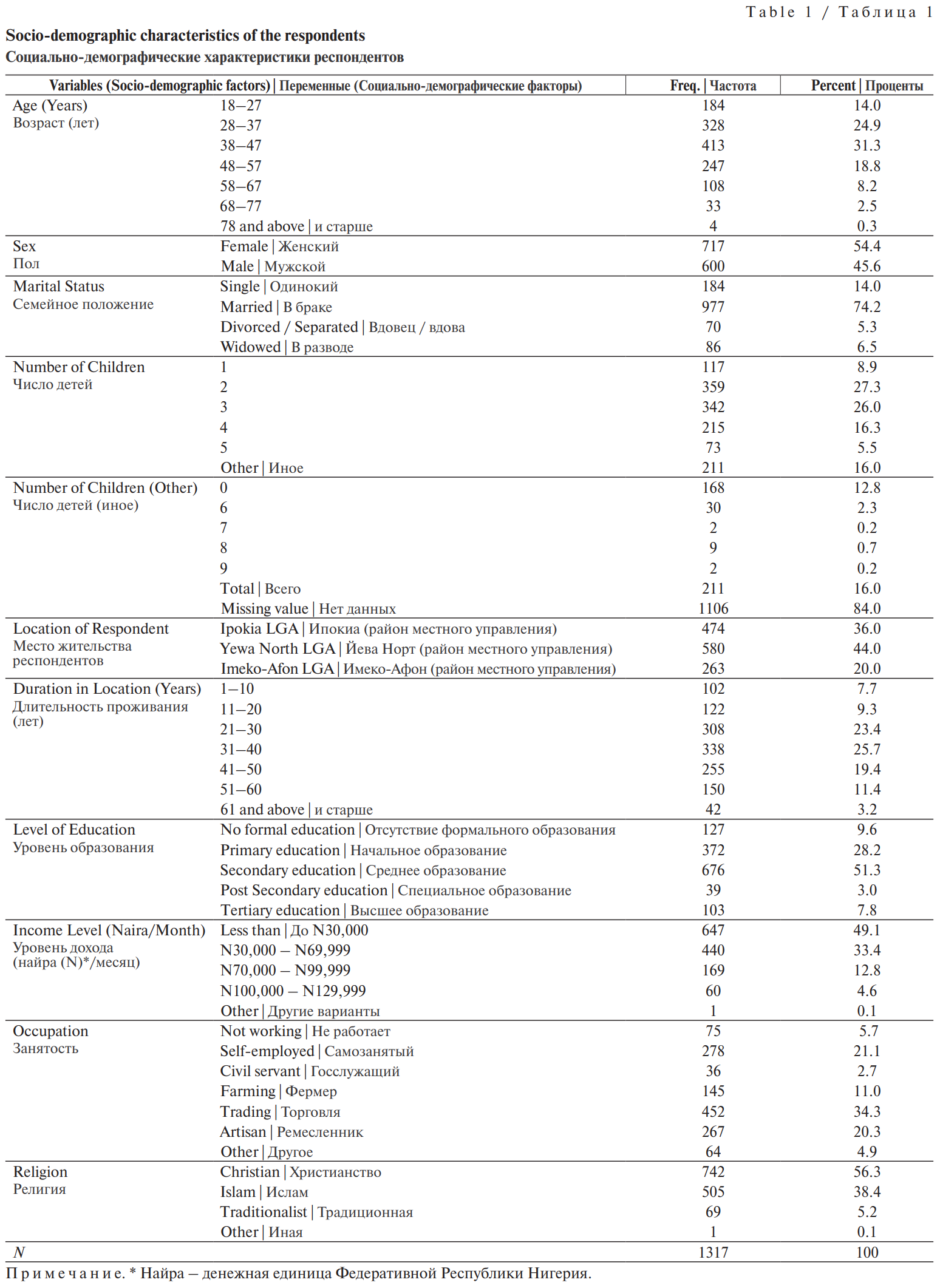
Moreover, 9.6% of the respondents have no formal education, 28.2% of the respondents have primary education, 51.3% have secondary education, 3.0% have post-secondary education and 7.8% were tertiary educated. Regarding income level, 49.1% of the respondents earn less than 30,000 naira per month, 33.4% earn between 30,000 naira and 69,999 naira per month, 12.8% earn between 70,000 naira and 99,999 naira per month, 4.6% earn between 100,000 naira and 129,999 naira per month, while 0.1% fall within the ‘other’ category. Concerning occupation, 5.7% of the respondents were not working, 21.1% were self-employed, 2.7% were civil servants, 11.0% were farmers, 34.3% of the respondents were into trading, 20.3% were artisans and 4.9% fell under the ‘other’ category. Also, 56.3% of the respondents were Christians, 38.3% practiced Islam, 5.2% were Traditionalists, and 0.1% fell under the other category. Before the proper analyses, the respondent’s socio-demographic data were recoded, to ensure adequate distribution among the categories in the course of the analysis.
In this study, health status was measured by (1) whether the respondent was sick in the last 12 months (2) frequency of sickness (3) whether the respondent got cure through hospital treatment (4) whether the respondent got cure through traditional medicine and (5) whether the respondent did self-medication. Table 2 presents the binary logistic regression of health status according to socio-demographic factors. Model 1 shows the odds of respondent reporting any sickness in the last 12 months before the study. The results show that the odds of respondents becoming sick during the last 12 months was lower for those aged 48–57 years (OR = 0.381; CI = 0.218, 0.668), and 58 years and above (OR = 0.365; CI = 0.200, 0.666) compared to the reference age group (18–27 years). This implies that respondents aged 18–27 years are more prone to sicknesses in these border areas. Also, the odds that the respondents reported sick in the last 12 months was lower for residents of Yewa North LGA (OR = 0.480; CI = 0.350, 0.657), and Imeko-Afon LGA (OR = 0.589; CI = 0.408, 0.849), compared to the reference location (Ipokia LGA). These statistics indicate that people who live in Ipokia LGA are more likely to become sick than in the other two LGAs. Idi-iroko community, in Ipokia LGA is where the official border gateway between Nigeria and the Benin republic is located. The higher rate of cross-border related activities such as smuggling of illegal goods, stringent border security methods and infiltration of unchecked migrants could likely contribute in the greater prevalence of sicknesses in this LGA.
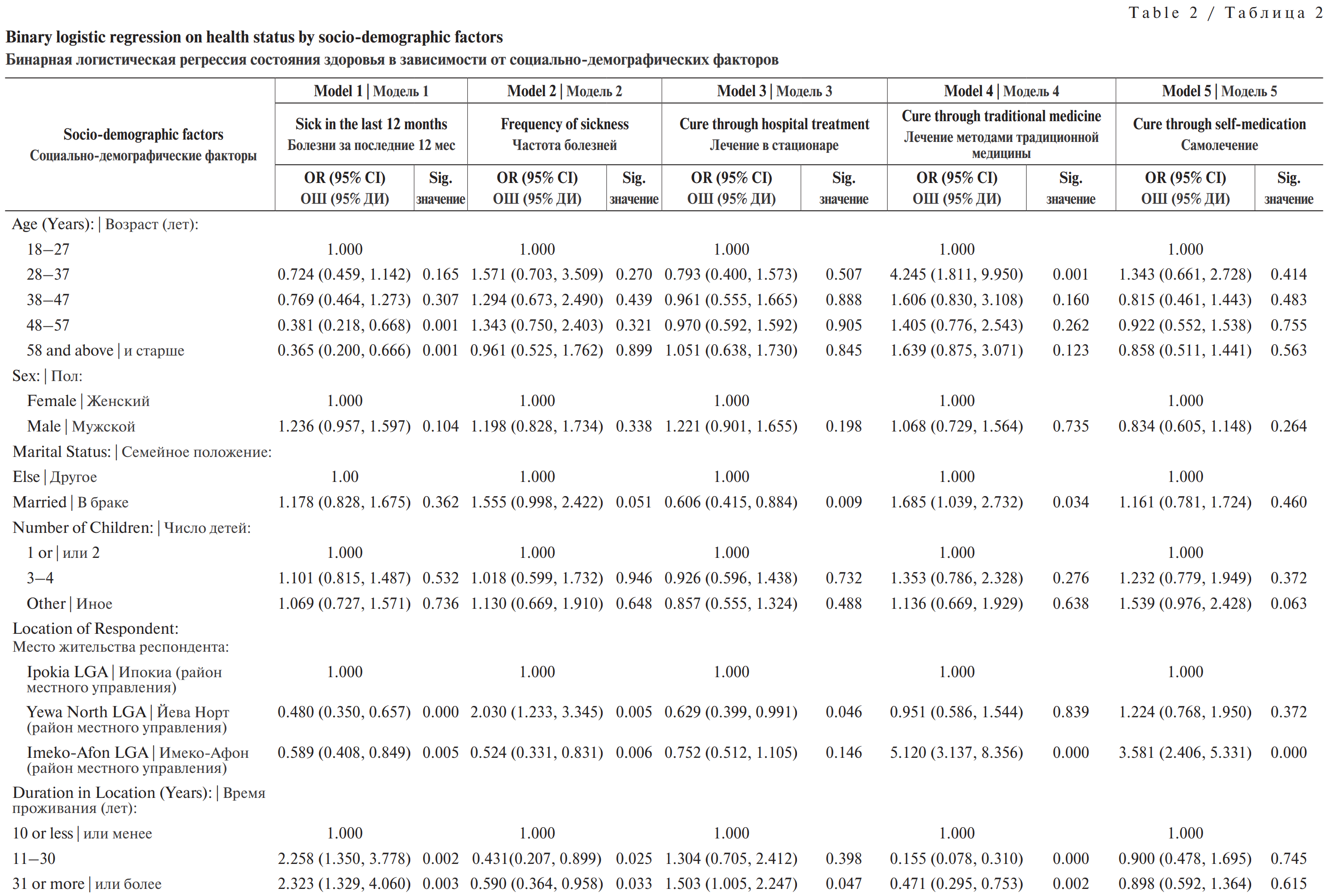
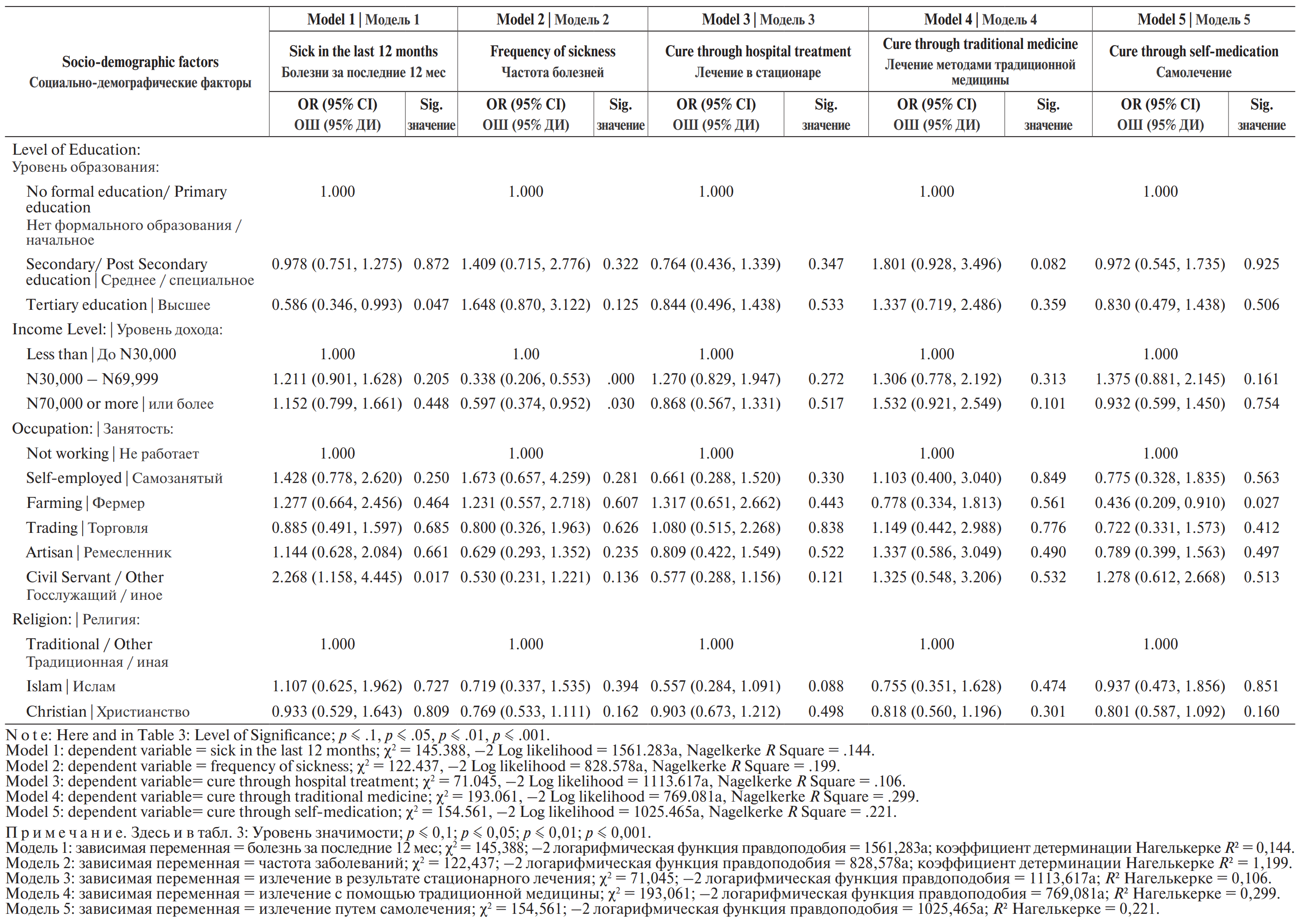
In addition, the odds that the respondents had sickness in the last 12 months was higher for those who have lived in the border communities for 11–30 years (OR = 2.258; CI = 1.350, 3.778), and 31 years or more (OR = 2.323; CI = 1.329, 4.060), compared to the reference category (10 or less years). This indicates that people who have stayed for more than 10 years in the border communities were more susceptible to sicknesses compared to those that have lived for 10 years or less. The reason for this result could be because of the likelihood that the socio-economic lifestyle of the people who have stayed in these border communities for more than 10 years, have been entrenched within the milieu of existence in border areas. Hence these set of people might have been neglected for a longer time, and lacked adequate access to basic amenities such as clean drinking water and adequate healthcare access, necessary for healthy living. Also, due to their longer existence in these border areas, they may be more involved in illegal cross-border related socio-economic activities such as smuggling of goods, with its attendant negative health consequences. Moreover, the odds that the respondents fell sick in the last 12 months was lower for the residents who were tertiary educated (OR = 0.586; CI = 0.346, 0.993), compared to the reference category (no formal education/primary education). This statistics imply that education raises the awareness of people to make better health choices which in turn influences their health outcomes positively. Accordingly, [1] asserted that socio-demographic factors such as gender, age, income and level of education, among others can affect the health status of individuals.
Model 2 shows the odds of frequency of sickness for respondents who stated that they had being sick within the last 12 months. The results indicate that the odds of frequent sickness was higher for respondents who live in Yewa North LGA (OR = 2.030; CI = 1.233, 3.345), and lower for people who reside in Imeko-Afon LGA (OR = 0.524; CI = 0.331, 0.831), compared to the reference group (Ipokia LGA). This could be because of the considerable larger population size of Yewa North LGA and apparent lack of necessary health facilities and affordable healthcare services to properly cover and cater to the health of these residents, compared to the lower population sizes of Ipokia LGA and Imeko-Afon LGA. Also, the odds of becoming sick on regular basis was lower for respondents who earn 30,000 naira to 69,999 naira per month (OR = 0.338; CI = 0.206, 0.553), and 70,000 naira or more per month (OR = 0.597; CI = 0.374, 0.952), compared to the reference category (less than 30,000 naira per month). This implies that the more income the residents earn, the less prone they are to becoming sick recurrently; meaning that earning higher income enables the residents to properly take care of their health. When compared to people in higher social classes, individuals in lower social strata are more likely to experience serious sicknesses and death [1]. This calls for adequate policy interventions to boost the income opportunities of these residents, which will inadvertently enhance their health outcomes.
Model 3 signifies the odds of seeking cure through hospital treatment for respondents who became sick within the last 12 months. The odds of getting cure through hospital treatment was lower for residents who were married (OR = 0.606; CI = 0.415, 0.884), compared to the reference category (else). The high cost of healthcare services for the residents in these communities may likely dissuade married people (who may be struggling with other family expenses) from seeking cure in the hospitals. Hence, [6] reiterated that individuals with low economic status usually encounter significant difficulties accessing basic health services. Similarly, the odds of seeking cure through hospital treatment was lower for respondents who live in Yewa North LGA (OR = 0.629; CI = 0.399, 0.991), compared to the reference category (Ipokia LGA). The comparable larger population size of Yewa North LGA and apparent lack of enough health facilities to adequately cater to the people’s healthcare needs could be the reason for this result. In accordance, [21] emphasized the need for more medical facilities in border areas. Also, the odds of seeking cure through hospital treatment was higher for residents who have stayed in these communities for 31 or more years (OR = 1.503; CI = 1.005, 2.247), compared to the reference category (10 or less years). It is possible that residents who have lived in these communities for longer years, have a better established hospital healthcare seeking access, especially across the border than people who just came into the community.
Moreover, Model 4 indicates the odds of seeking cure through traditional medicine for respondents who reported being sick within the last 12 months. The odds of seeking cure through traditional medicine was higher for respondents aged 28–37 years (OR = 4.245; CI = 1.811, 9.950), compared to the reference category (18–27 years). Residents aged 28-37 years may likely have more financial responsibilities to attend to, hence prompting them to seek cure through traditional medicine, which may be cheaper (so as to meet up with other pressing needs), compared to people aged 18–27 years, and with less financial responsibilities. Similarly, the odds of procuring cure through traditional medicine was higher for respondents who were married (OR = 1.685; CI = 1.039, 2.732), compared to the reference category (else). The apparent high cost of procuring healthcare in the hospitals by the residents, as a result of their low economic status could prompt people who are married to seek cure through traditional medicine, which is likely affordable, in order to meet up with other family expenses. Also, the odds of seeking cure through traditional medicine was higher for respondents who live in Imeko-Afon LGA (OR = 5.120; CI = 3.137, 8.356), compared to the reference category (Ipokia LGA). It is likely that residents of Imeko-Afon LGA do not have access to hospital healthcare services as much as people in Ipokia LGA, influencing them to seek cure through other means such as traditional medicine. According to [19], residents in border communities in developing countries always grapple with poor health infrastructure, find it very hard to access healthcare, in addition to unsuitability of government policies. In addition, the odds of assessing cure through traditional medicine was lower for residents who have lived in these communities for 11–30 years (OR = 0.155; CI = 0.078, 0.310), and 31 or more years (OR = 0.471; CI = 0.295, 0.753), compared to the reference category (10 or less years). As indicated previously, there is a possibility that residents who have lived in these localities for higher number of years, have a more established hospital healthcare seeking access, compared to new entrants.
Furthermore, Model 5 shows the odds of getting cure through self-medication for respondents who stated that they were sick during the last 12 months. The odds of seeking cure through self-medication was higher for residents who live in Imeko-Afon LGA (OR = 3.581; CI = 2.406, 5.331), compared to the reference category (Ipokia LGA). Residents of Imeko-Afon LGA are apparently more likely to seek cure through self-medication, perhaps due to lack of access to hospital health services, as compared to Ipokia LGA. People who live in border areas in developing countries encounter difficulty in accessing medical care [18]. Also, the odds of self-medicating was lower for respondents who were farmers (OR = 0.436; CI = 0.209, 0.910), compared to the reference category (not working). People who are farmers are likely to earn more income, and be able to afford the cost of healthcare services in hospitals than residents who are not working. Hence, farmers may be more inclined to seek cure from health professionals in the hospitals, instead of self-medicating, compared to those who are not working.
Discussion
It is important to reiterate that the binary logistic regression analysis of health status by socio-demographic factors revealed the following results: In Model 1, the age groups of 48–57 years and 58 years and older were significant. For location of respondent, Yewa North and Imeko-Afon LGA showed significance. In relation to respondent’s number of years living in location (duration in location), 11–30 years and 31 or more years were significant. In terms of education, having a tertiary education was significant. Concerning respondent’s occupation, civil servant/other category was significant. Moreover, after interacting with the intervening variables, as indicated in Table 3, the results showed that these socio-demographic factors still maintained their significance. Also, no other socio-demographic factor showed any significance after this interaction. This means that the listed socio-demographic factors that showed significance had direct significant relationships with respondent’s health status. This result supports the claim by [14], that socio-demographic factors influence the health status of individuals.
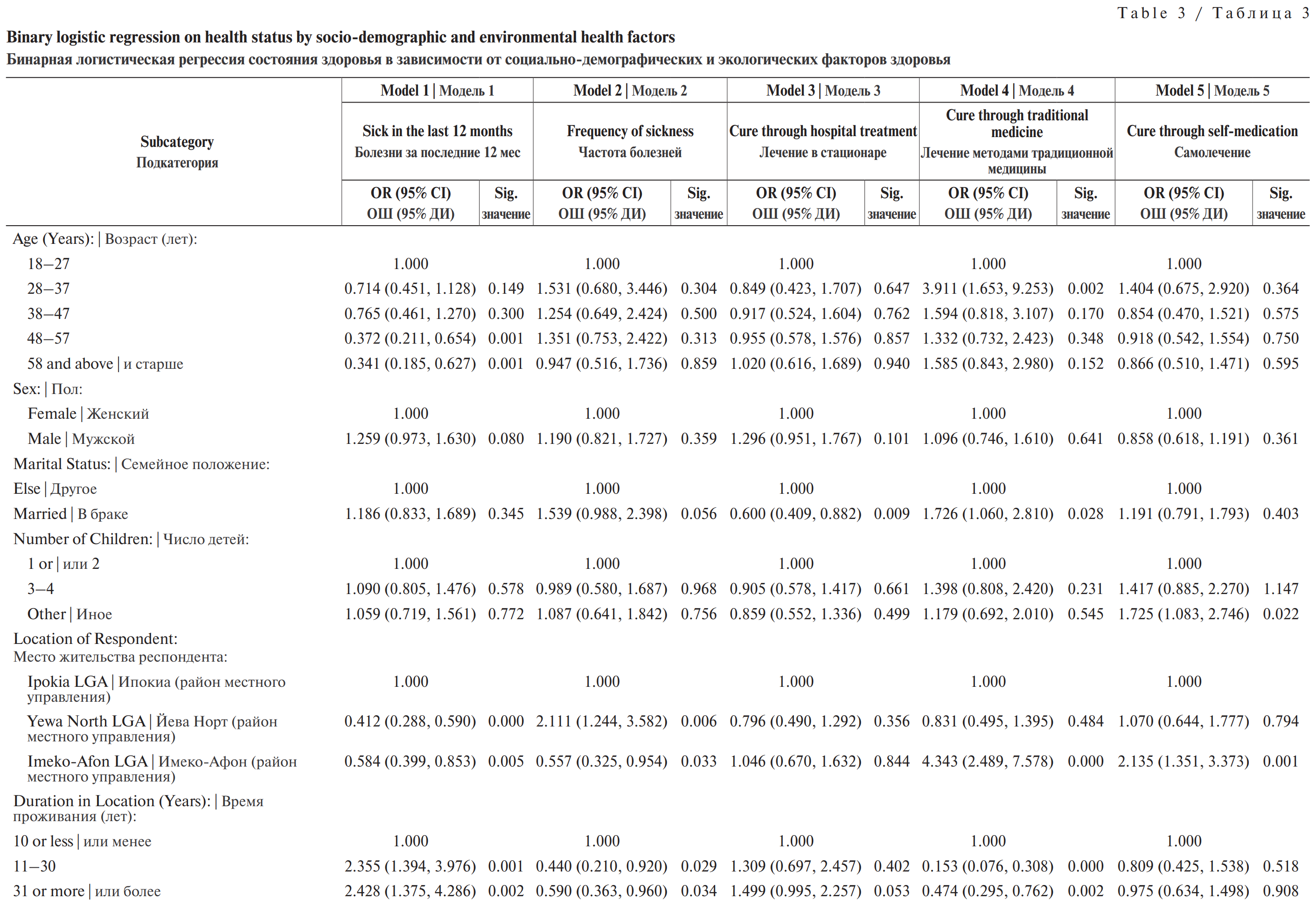
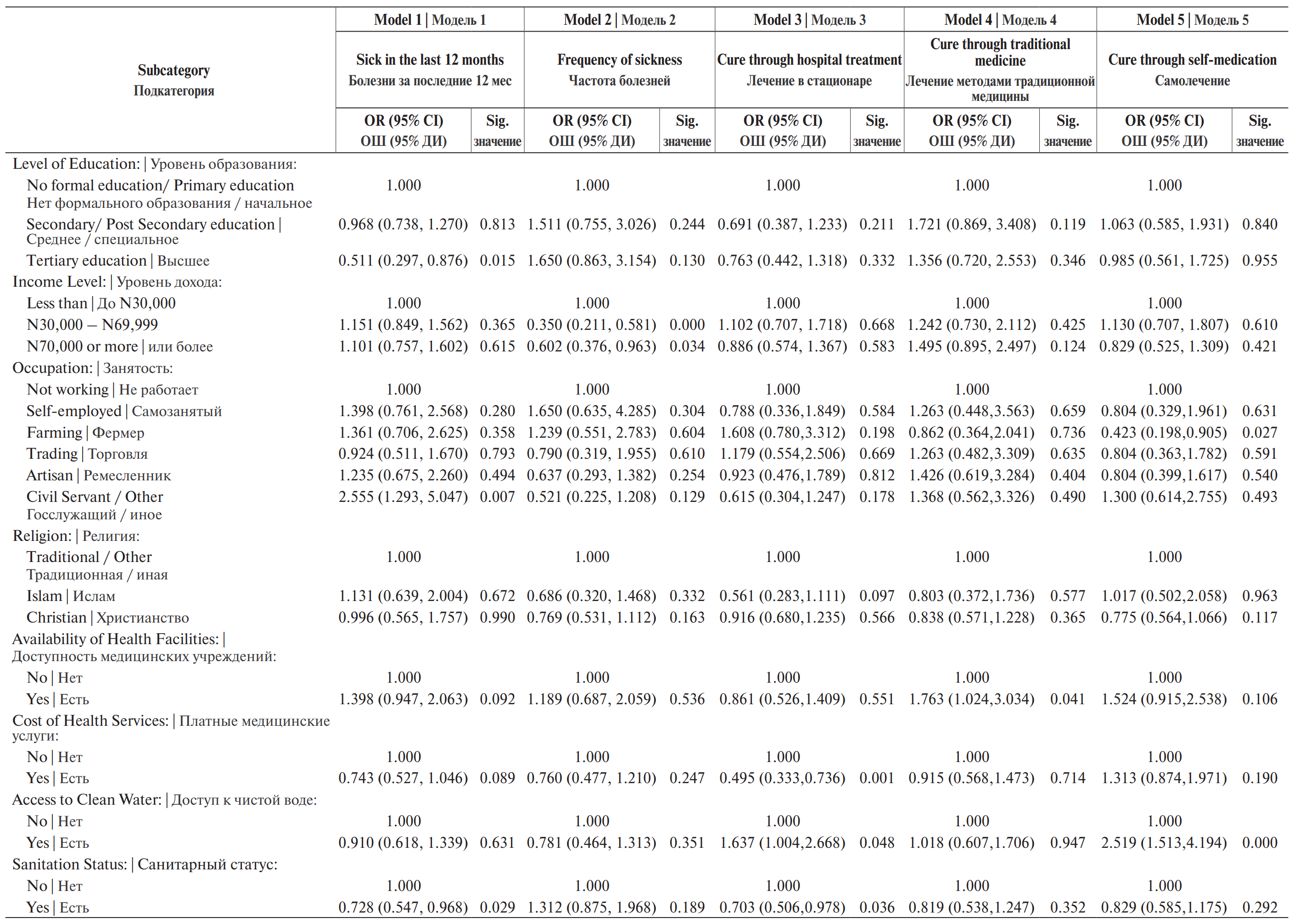
Also, in Model 2, Yewa North LGA and Imeko-Afon LGA showed significance under location of respondent. For respondent’s duration in location, 11–30 years and 31 or more years were significant. In relation to income level, categories 30,000 naira – 69,999 naira and 70,000 naira or more showed significance. All these socio-demographic factors retained their significance after interacting with the intervening variables as shown in Table 3. Also, there was no other socio-demographic variable that were significant at this stage. This shows that these variables which depicted significance had direct significant relationships with the health outcomes of the respondents.
In Model 3, for marital status, the ‘married’ category was significant. Also, Yewa North LGA showed significance under location. Category ‘31 or more years’ was significant within duration in location. When the socio-demographic factors interrelated with the intervening variables (Table 3), ‘married’ category maintained its significance under marital status. In location of respondent, Yewa North LGA lost its significance. For duration in location, category ‘31 or more years’ lost its significance. Also, no other socio-demographic factor showed any significance at this level. The result implies that within marital status, ‘married’ category had direct relationship with respondent’s health status. Under location of respondent, Yewa North LGA had indirect relationship with respondent’s health outcomes. Also, category ’31 or more years’ in respondent’s duration in location had indirect relationship with the health status of respondents.
In Model 4, age group 18–27 years was significant. Also ‘married’ category showed significance within marital status. Imeko-Afon LGA was significant under location of respondent. Relating to duration in location, categories ‘11-30 years’ and ‘31 years or more’ were significant. After interrelating with the intervening variables (in Table 3), all these socio-demographic variables retained their significance. Also, no other socio-demographic factor was significant after this interaction. This result implies that these socio-demographic factors that exhibited significance had direct relationships with the health status of the respondents.
In Model 5, Imeko-Afon LGA was significant within respondent’s location. Concerning respondent’s occupation, farming showed significance. As the respondents’ socio-demographic factors intermingled with the intervening variables (Table 3), Imeko-Afon LGA maintained its significance under location of respondent. Farming also maintained its significance in respondent’s occupation. Additionally, ‘other’ category within number of children became significant after passing through the intervening variables. These variables that retained their significance showed direct relationships with health status. Moreover, ‘other’ category in number of children depicted indirect relationship with health status.
Limitations of the study. Ogun State border settlements are mainly rural areas. Most of the residents could not understand or speak English language fluently; they could only respond in the local dialects spoken within the communities. The researcher went the extra mile to recruit and train research assistants who could understand and speak fluent English language and also understand and speak the local dialects of these border communities before the study could start. The data collection which took place in three different LGAs in Ogun State Nigeria also raised the cost of transportation and the cost of other logistics required to conduct the study.
Conclusion
From the results, it can be observed that socio-demographic and environmental health factors significantly influence the well-being of residents of border communities in Ogun state Nigeria. This study is relevant as it will help to promote healthy living in border communities in Nigeria, and also assist in the attainment of Sustainable Development Goal 3 (SDG3) in the nation. Hence the study recommends the following.
1. The government should provide more healthcare facilities and personnel in these border areas, so as to enhance their access to health services, which will also improve well-being in these localities.
2. The government should reduce or subsidize the cost of hospital healthcare services in these border areas, in order to encourage more residents to seek proper medical care from trained professionals in hospitals, hence influencing the health outcomes of these communities positively.
3. The government should improve the economic status of these border areas by providing economic empowerment and employments to the residents, as this will help the residents to take proper care of their health.
4. The government should increase investments in education in these communities, so as to improve their level of education, which will inadvertently improve their health status.
1. Cureño-Díaz M.A., Hernández-Mariano J.Á., Gómez Zamora E., González Zavala V.J. Association between socio-demographic factors and reasons for medical care in Mexican adults. J. Family Med. Prim. Care. 2025; 14(4): 1279–87. https://doi.org/10.4103/jfmpc.jfmpc_1427_24 https://elibrary.ru/jnwrfe
2. Braveman P., Gottlieb L. The social determinants of health: It’s time to consider the causes of the causes. Public Health Rep. 2014; 129(Suppl. 2): 19–31. https://doi.org/10.1177/00333549141291s206
3. Hahn R.A. What is social determinant of health? Back to basics. J. Public Health Res. 2021; 10(4): 2324. https://doi.org/10.4081/jphr.2021.2324
4. Faria L., Alvarez R.E.C., Santo L.A.C. Socioeconomic inequality in Latin America and the Carribean: The post-pandemic future for the training of health professionals. Hist. Cienc. Saude Manguinhos. 2023; 30(Suppl. 1): e2023029. https://doi.org/10.1590/s0104-59702023000100029
5. The Lancet. Housing: An overlooked social determinant of health. Lancet. 2024; 403(10438): 1723. https://doi.org/10.1016/s0140-6736(24)00914-0
6. Fantin R., Gómez-Duarte I., Rojas-Araya K., Sáenz-Bonilla J.P., Barboza-Solis C. Identification of areas with geographical access difficulties to public health services in Costa Rica: A methodological proposal. Acta Méd. Costarric. 2022; 64(2). Available at: https://www.scielo.sa.cr/scielo.php?script=sci_arttext&pid=S0001-60022022000200004&lng=en
7. Armenti K., Sweeney M.H., Lingwall C., Yang L. Work: A social determinant of health worth capturing. Int. J. Environ. Res. Public Health. 2023; 20(2): 1199. https://doi.org/10.3390/ijerph20021199 https://elibrary.ru/bdjraf
8. Aderounmu B., Azuh D., Onanuga O., Oluwatomisin O., Ebenezer B., Azuh A. Poverty drivers and Nigeria’s development: implications for policy intervention. Cogent Arts Humanit. 2021; 8(1): 1927495. https://doi.org/10.1080/23311983.2021.1927495 https://elibrary.ru/tlvicm
9. Osabohien R., Matthew O., Ohalete P., Osabuohien E. Population-Poverty-inequality nexus and social protection in Africa. Soc. Indic. Res. 2020; 151(2): 575–98. https://doi.org/10.007/s11205-020-02381-0 https://elibrary.ru/pkrbds
10. Tarar H.M., Azhar A., Ismail K., Oduoye M.O., Asim O., Omer R. The influence of socio-demographic factors on parental health-seeking behaviour for illnesses among pediatric age group in Karachi: A cross-sectional study. Health Sci. Rep. 2024; 7(5): e2081. https://doi.org/10.1002/hsr2.2081 https://elibrary.ru/nyrsas
11. Mou T.J., Afroz K.A., Haq M.A., Jahan D., Ahmad R., Islam T., et al. The effects of socio-demographic factors in health seeking behaviours among Bangladeshi residents during the first wave of COVID-19. Healthcare (Basel). 2022; 10(3): 483. https://doi.org/10.3390/healthcare10030483
12. Nachinaab J.O., Adongo A.A., Jonathan D.M., Azumah F.D. The influence of socio-demographic behavioural variables on health-seeking behaviour and the utilization of public and private hospitals in Ghana. Int. J. Sociol. Soc. Policy. 2022; 42(5–6): 455–72. https://doi.org/10.1108/IJSSP-03-2021-0068
13. Oladosun M., Azuh D., Chinedu S.N., Azuh A.E., Ayodele E., Nwogu F. (2022). Determinants of perceived quality of healthcare among pregnant women in Ifo, Ogun State, Nigeria. Afr. J. Reprod. Health. 2021; 25(s5): 28–45. https://doi.org/10.29063/ajrh2021/v25i5s.3
14. Ogbonna I.F., Achor C.F., Ezeogu J. Socio-demographic risk factors for mental health disorders among school children in Umuahia, South-East Nigeria. Int. J. Med. Health Dev. 2024; 29(3): 238–46.
15. Tayo O.G., Chukwuedozie O.N., Ozoya M.I. Violence against Young Women in Informal Cross-border Trading in Southwest Nigeria: Implications for Economic Development and Poverty Reduction. Int. J. Gender Dev. Issue. 2016; 2(4): 112–20.
16. Amoo E.O., Adebayo M.E., Owoeye M.O., Egharevba M.E. To save a girl-child, you must train a boy-child: A note on situational irony. Int. J. Environ. Res. Public Health. 2022; 19(23): 16313. https://doi.org/10.3390/ijerph192316313 https://elibrary.ru/wwyifu
17. Healthwise. Ojuroungbe S. Harvest of deaths: Ogun community where mothers, newborns die during childbirth; 2023. Available at: https://healthwise.punchng.com/harvest-of-deaths-ogun-community-where-mothers-newborns-die-during-childbirth/
18. Aina A.N., Hakim L., Hayat A., Sujarwoto. The importance of health accessibility policies in border areas. In: Proceedings of the Fifth Annual International Conference on Business and Public Administration (AICoBPA 2022). Atlantis Press; 2023: 93–108. https://doi.org/10.2991/978-2-38476-090-9_10
19. Woldemichael A., Takian A., Akbari Sari A., Olyaeemanesh A. Availability and inequality in accessibility of health centre-based primary healthcare in Ethiopia. PLoS One. 2019; 14(3): e0213896. https://doi.org/10.1371/journal.pone.0213896
20. Foundation For Investigative Journalism. Owoyele T. Special report: In Igbokofi border community, pregnant women and infants are dying-and Ogun Gov’t is to blame; 2024. Available at: https://fij.ng/article/special-report-in-igbokofi-border-community-pregnant-women-and-infants-are-dying-and-ogun-govt-is-to-blame/
21. Yu M., Fu Y., Liu W. An optimization method for equalizing the spatial accessibility of medical services in Guangzhou. ISPRS Int. J. Geo-Inf. 2023; 12(7): 292. https://doi.org/10.3390/ijgi12070292 https://elibrary.ru/uigsvm
22. UNICEF Nigeria. Water, Sanitation and Hygiene. Available at: https://unicef.org/nigeria/water-sanitation-and-hygiene
23. Punch Nigeria. Ojuroungbe S. Dying by the dozens: Ogun communities’ perilous quest for clean water across Benin Republic’s borders; 2024. Available at: https://punchng.com/dying-by-the-dozens-ogun-communities-perilous-quest-for-clean-water-across-benin-republics-borders/
24. Folorunsho J.O., Umar M.A. Assessment of inadequate domestic water supply on human health in selected neighbourhoods of Lokoja metropolis, Kogi State, Nigeria. FUDMA J. Sci. (FJS). 2023; 7(6): 49–56.
25. Akinyemi P.A., Afolabi O.T., Aluko O.O. The effects of seasonal variations on household water security and burden of diarrheal diseases among under 5 children in an urban community, Southwest Nigeria. BMC Public Health. 2022; 22(1): 1354. https://doi.org/10.1186/s12889-022-13701-z https://elibrary.ru/orgmwx
26. Azuh D.E., Osabohien R., Orbih M., Godwin A. Public health expenditure and under-five mortality in Nigeria: An overview for policy intervention. Open Access Maced. J. Med. Sci. 2020; 8(E): 353–62. https://doi.org/10.3889/oamjms.2020.4327 https://elibrary.ru/wtblev
PhD candidate Demography and Social Statistics, Covenant University Ota, +234 Nigeria
e-mail: henry.chukwupgs@stu.cu.edu.ng
Professor Demography and Social Statistics, Covenant University Ota, +234 Nigeria
e-mail: dominic.azuh@covenantuniversity.edu.ng
Associate Professor Demography and Social Statistics, Covenant University Ota, +234, Nigeria
e-mail: muyiwa.oladosun@covenantuniversity.edu.ng
Chukwu H., Azuh D., Oladosun M. Effects of socio-demographic and environmental factors on health of residents in border communities of Ogun state Nigeria. Hygiene and Sanitation. 2026;105(6):604-614. https://doi.org/10.47470/0016-9900-2026-105-6-604-614. EDN: cfbgtk
Мы в ВК:

 Email this article (Login required)
Email the author (Login required)
Email this article (Login required)
Email the author (Login required) 141014, The Moscow region, Mytishchi, 2, Semashko street
Federal Scientific Center of Hygiene named after F.F. Erisman
Phone: +7 916 885 28 02
e-mail: gigsan@list.ru